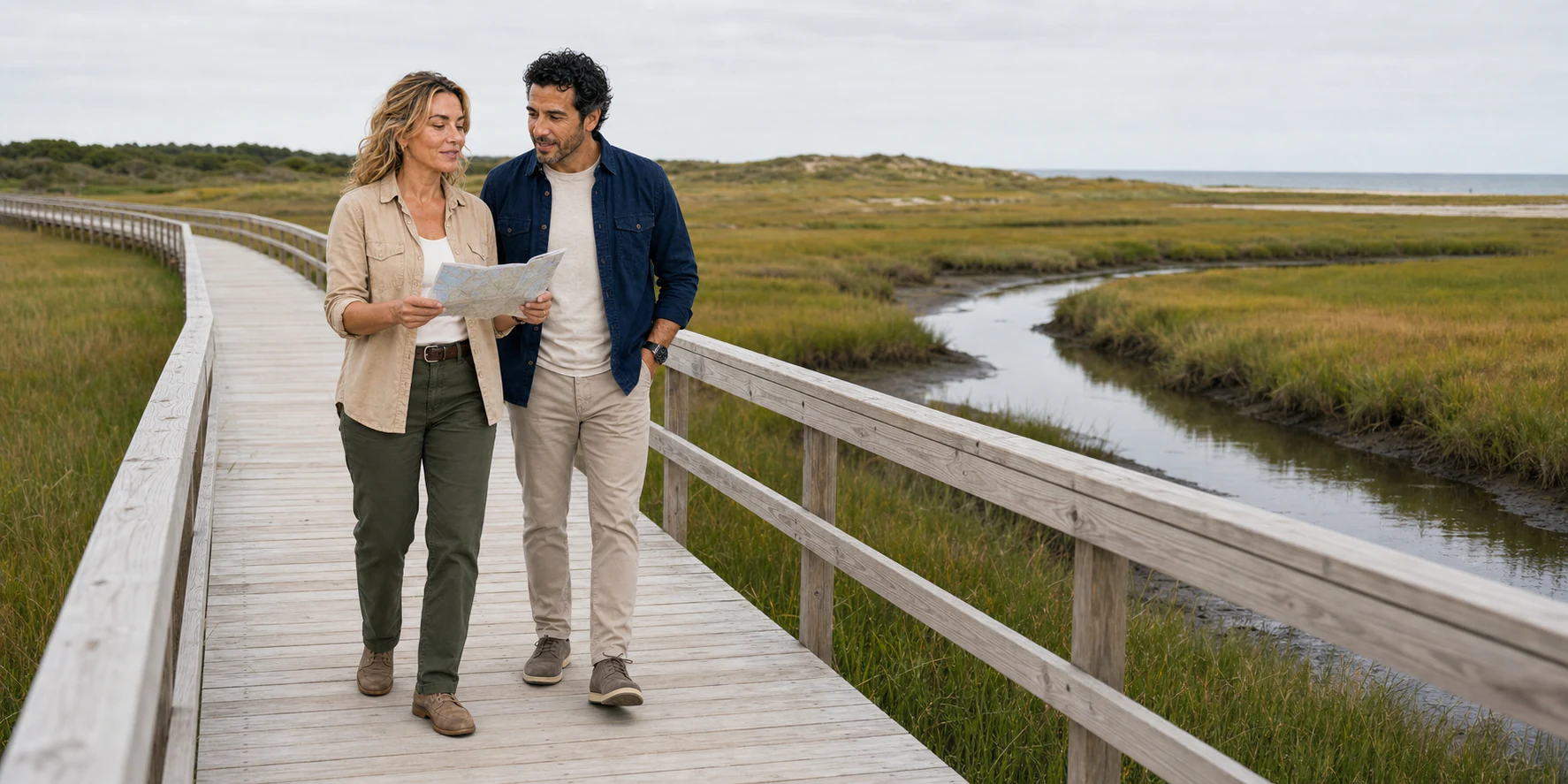
Story 55 · Greater Boston
Country desk 02 · North America and Hawaiʻi
A vast country approached one precise landscape at a time—from Houston’s working spaceflight campus to Moab, Los Angeles, Maui’s high volcanic summit, Grand Canyon West, Hoover Dam, Black Canyon, San Francisco Bay, New Orleans, Washington, Greater Boston and Honolulu.
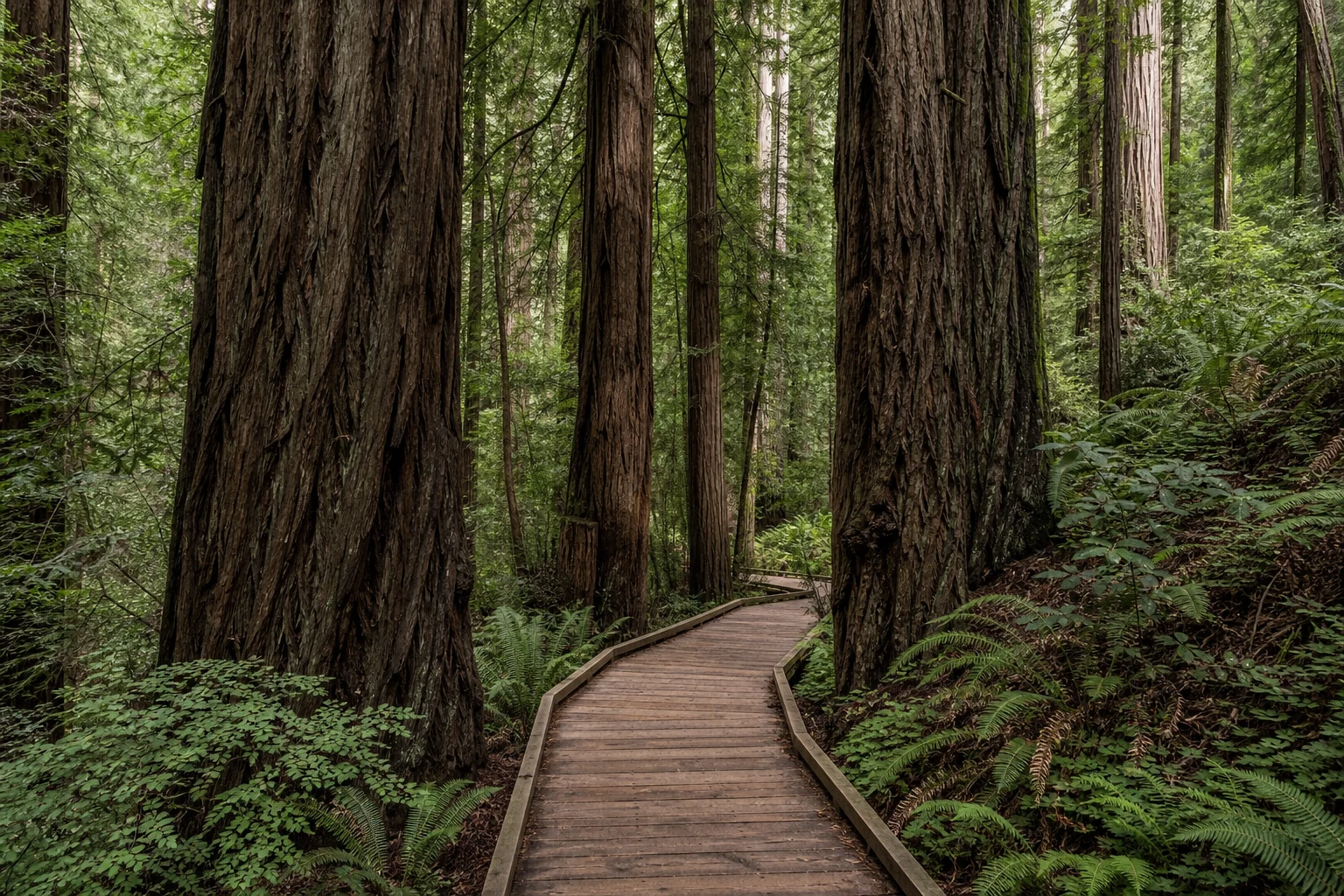
Muir Woods National Monument · ExcursionPass editorial visual
The country through connected landscapes
The United States cannot be compressed into one travel personality. Its distances, climates, communities, public lands and institutions demand reporting at destination scale.
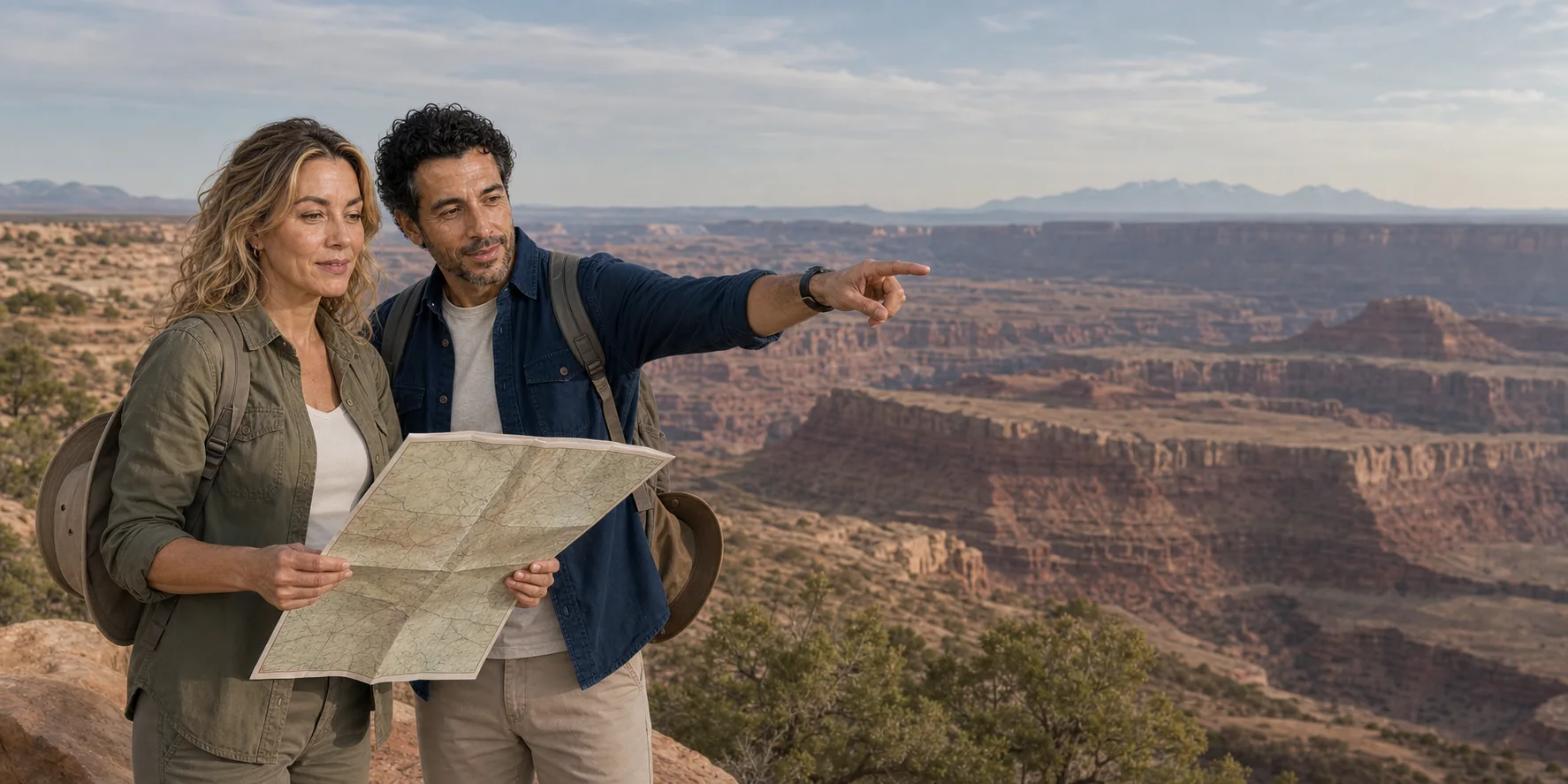
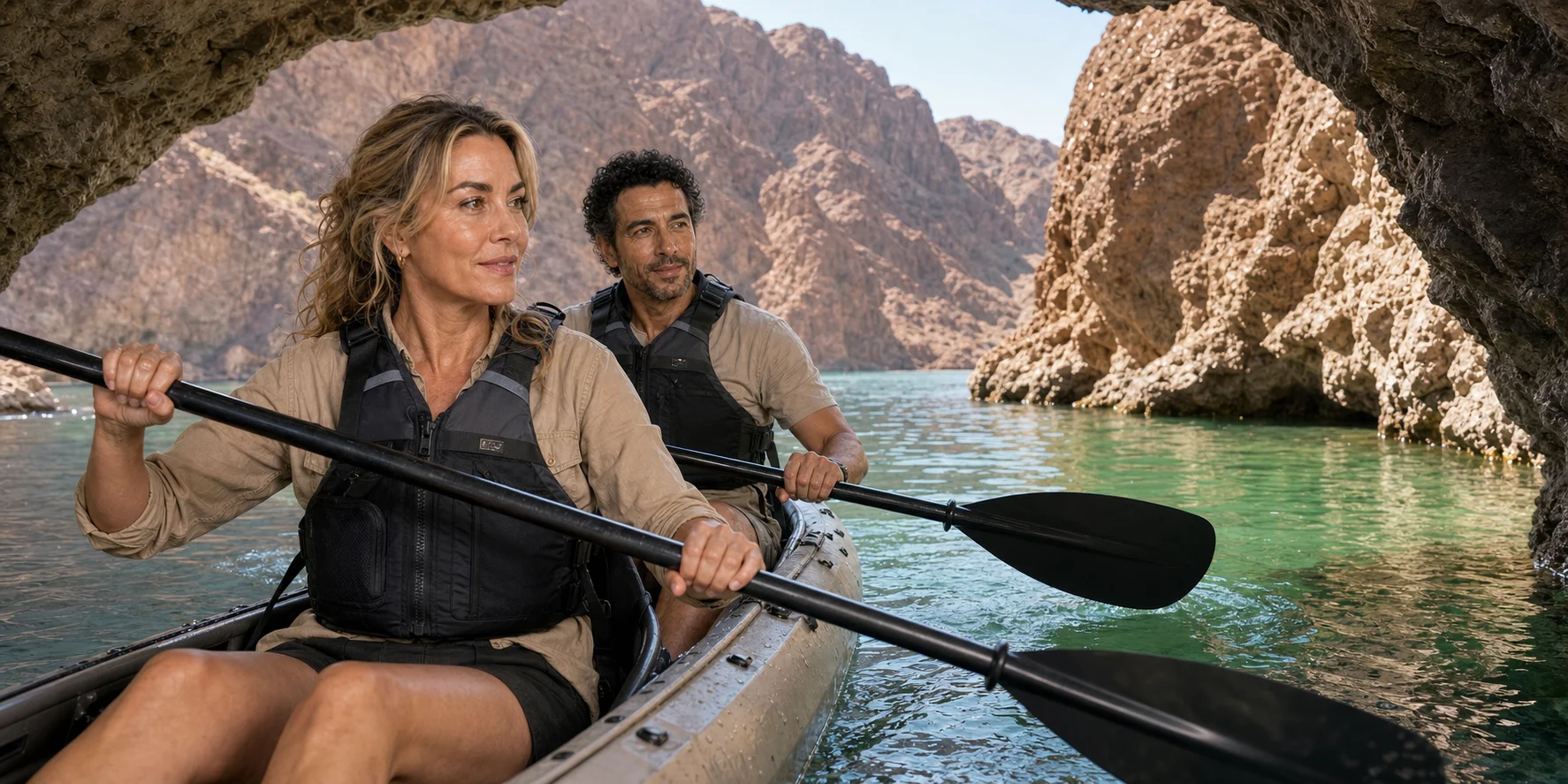
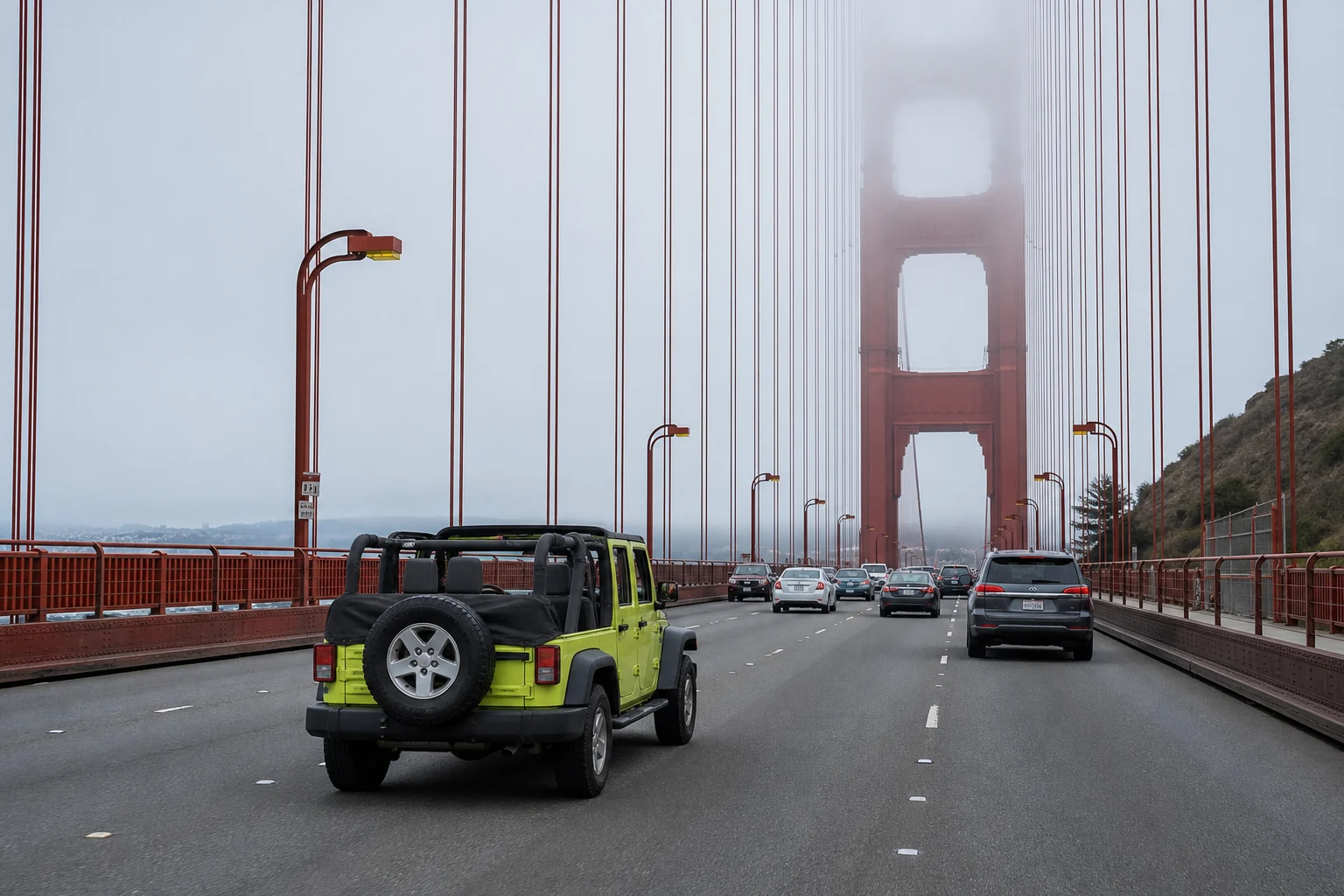
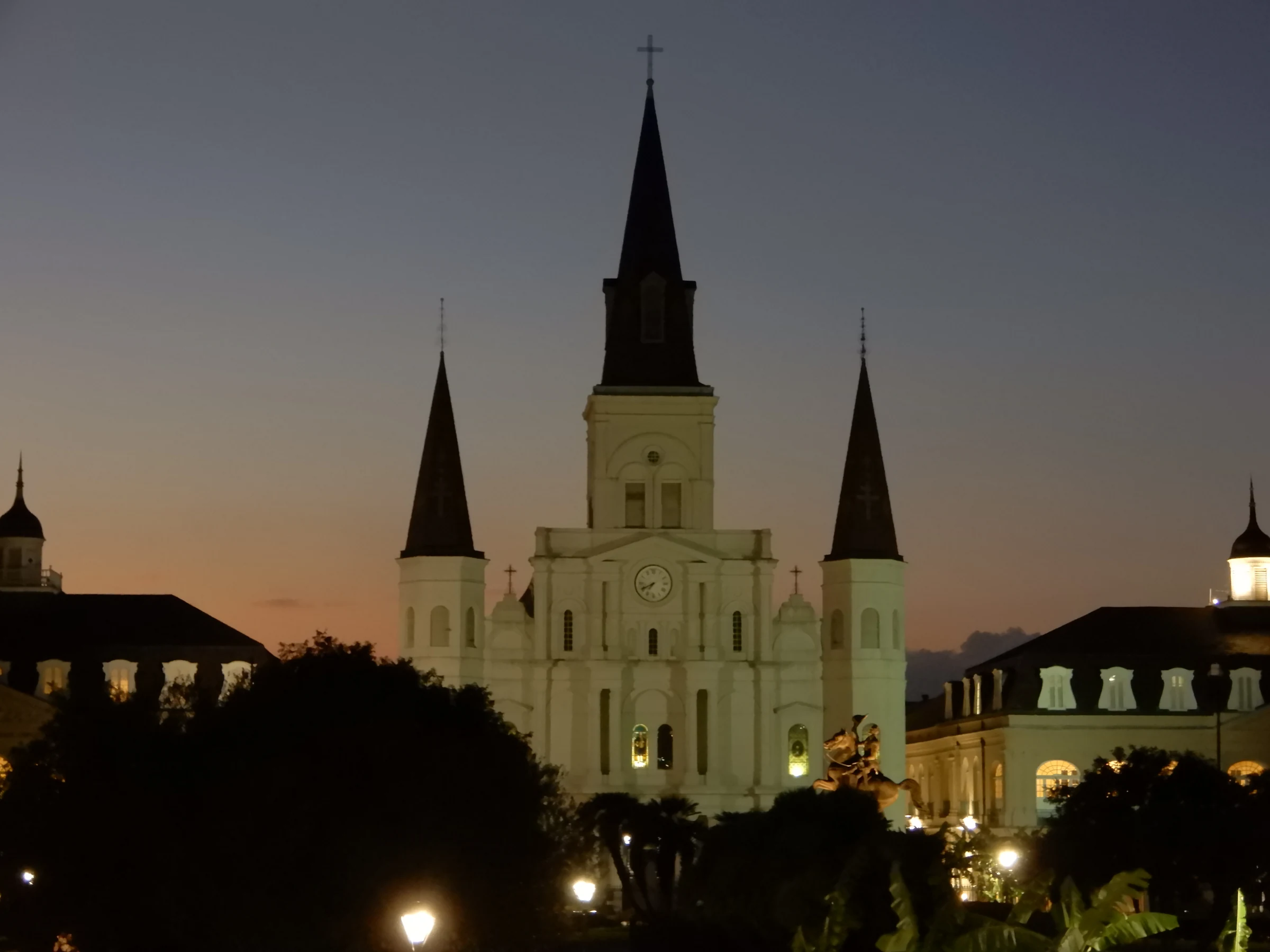
Moab connects two neighboring national parks without making them interchangeable: Arches contracts attention around salt, fractures, fins and temporary openings, while Island in the Sky expands it across mesa, bench, canyon and river. Los Angeles begins by separating the physical metropolis from its continuously edited screen image: geography, independent cities, Downtown clearance, Hollywood labour and mobility become one first-day map. Maui begins at Haleakalā, where shield volcanism, continuing Native Hawaiian relationship, rare summit life and high-altitude decisions revise the familiar beach forecast. Grand Canyon West begins with Hualapai authority and history, then crosses canyon geology, Skywalk engineering, desert ecology and an end-to-end access chain. Hoover Dam and Lake Mead connect concrete, labour, hydropower, Tribal and international river relationships, reservoir change and desert-road responsibility. Black Canyon begins below the dam at Willow Beach, where a kayak enters cold regulated water shaped by volcanic geology and desert springs. San Francisco now moves through two complementary readings: bridge, redwood valley and Alcatraz across three thresholds; then streets, working bay and night as three selective exposures. New Orleans begins with a river-built neighborhood where empire, slavery, Black cultural creation, preservation and tourism remain visible together.
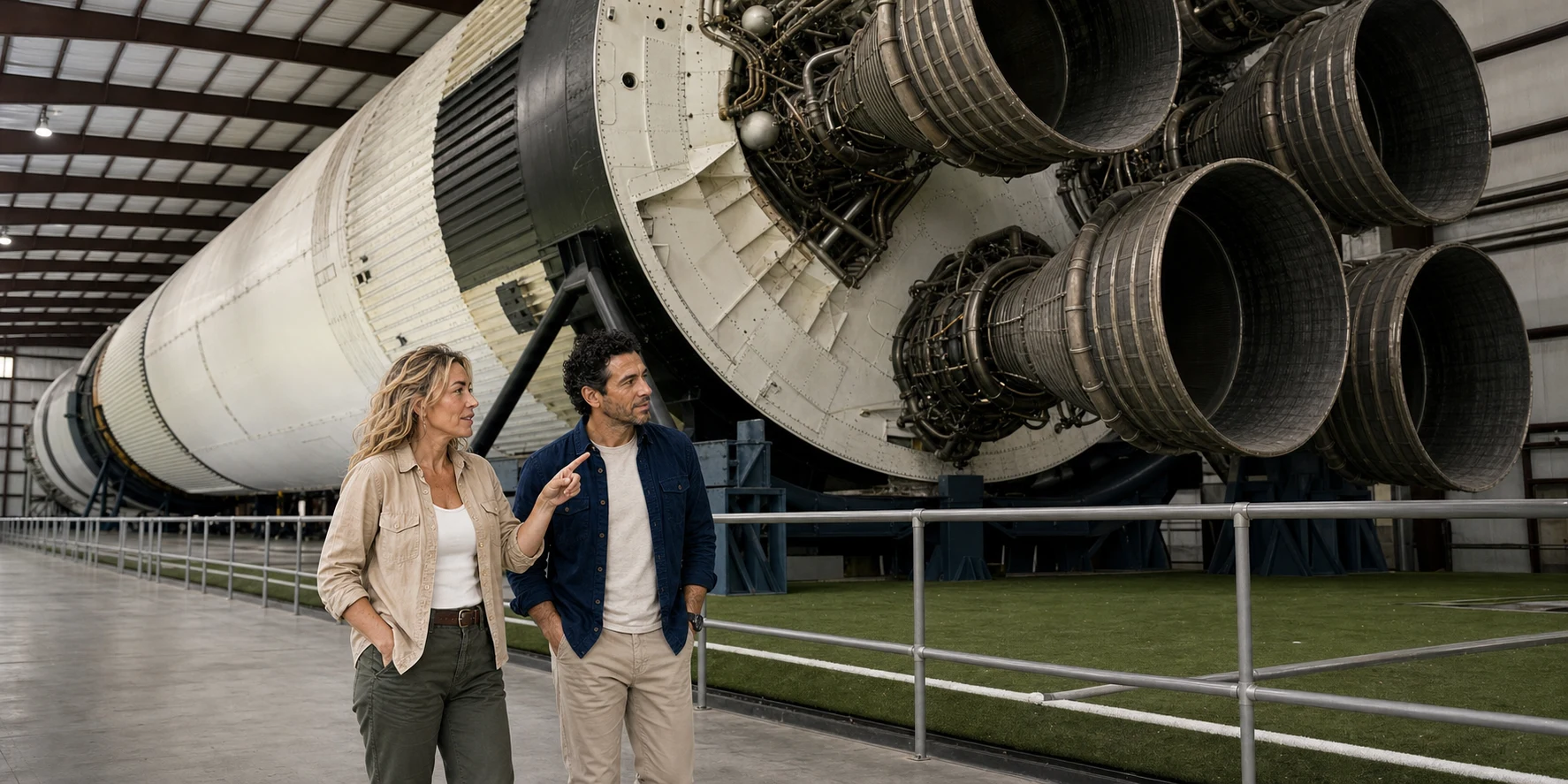
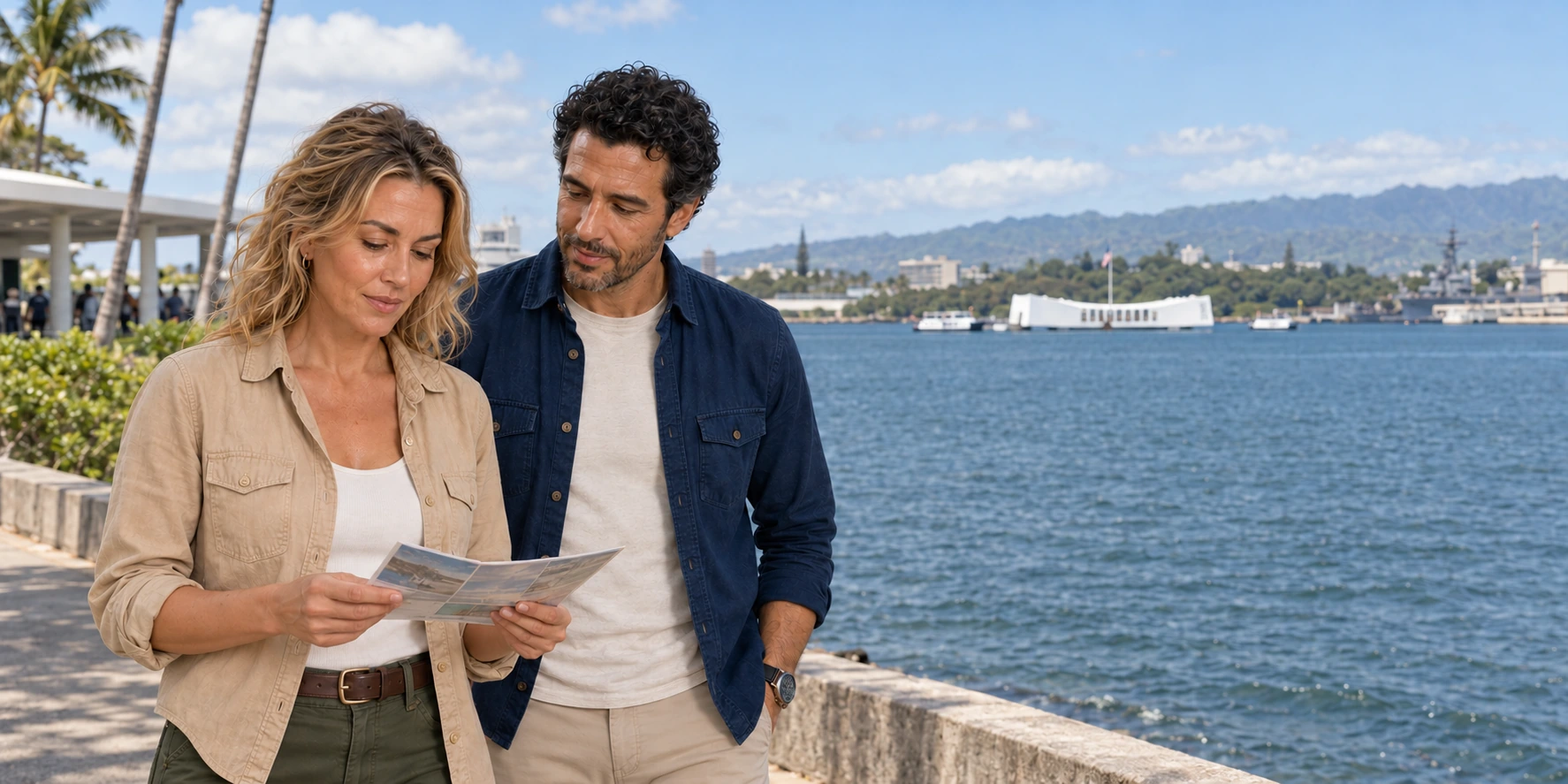
Houston now separates the nonprofit visitor centre from the working federal campus, then reads Mission Control, Saturn V staging, shuttle transport and astronaut training as connected systems. Washington moves through civic institutions and the night memorial landscape. Greater Boston now keeps two chronologies distinct: Wampanoag homeland, Patuxet, Plymouth public memory and a changing Atlantic coast; then the 1775 alarm through Lexington, Concord and the battlefield road. Honolulu begins in Puʻuloa before the naval base, then crosses attack, cemetery, Hawaiian Kingdom and state government. The desks keep those differences intact while making their shared concerns—access, infrastructure, labor, representation and accountability—easier to follow.
Destination desks
Each desk gathers its reporting, audio, planning sources and connected experiences without reducing the destination to a checklist.
Working spaceflight campus desk
Two-park Colorado Plateau desk
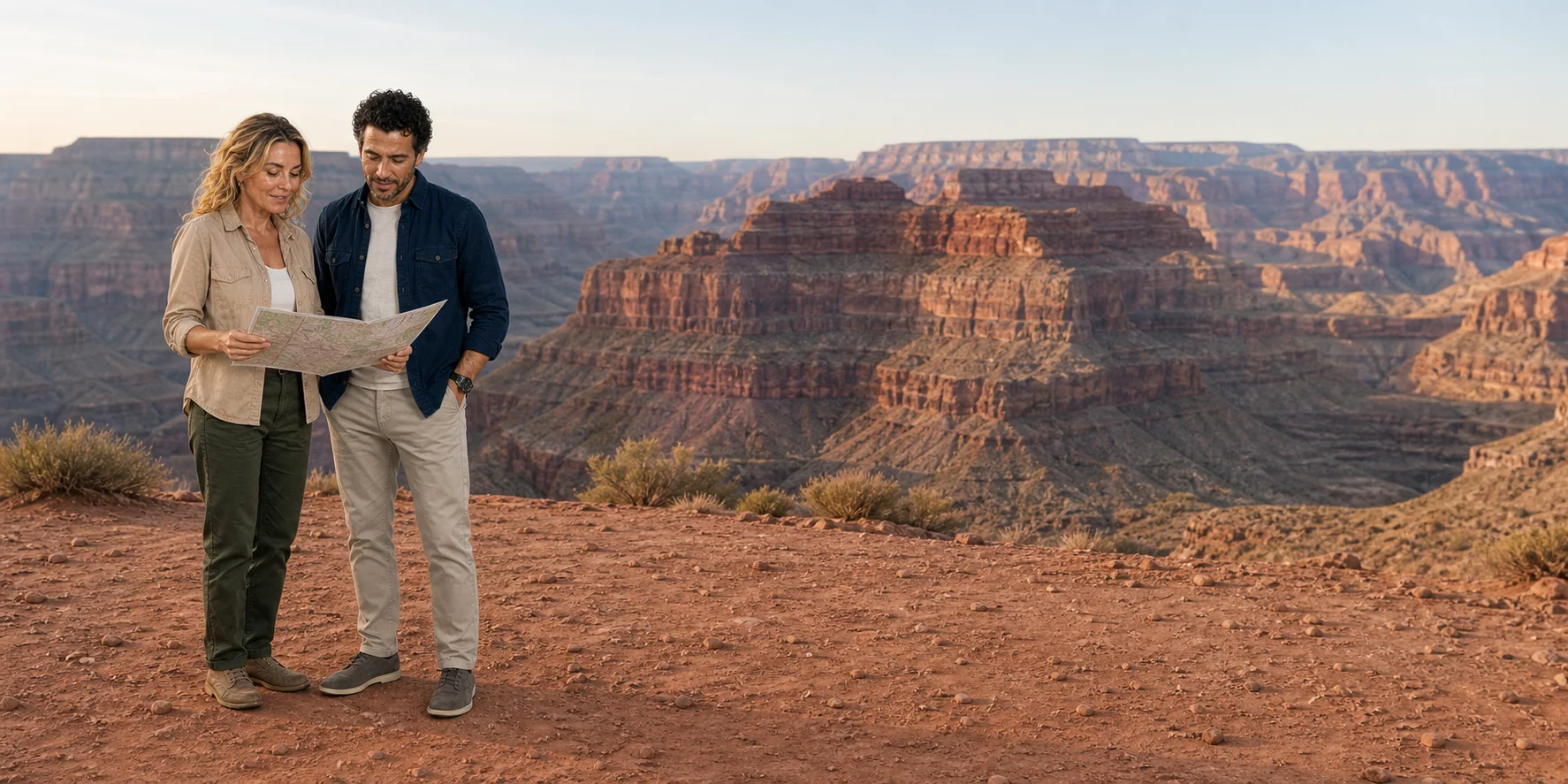
Hualapai land and canyon desk
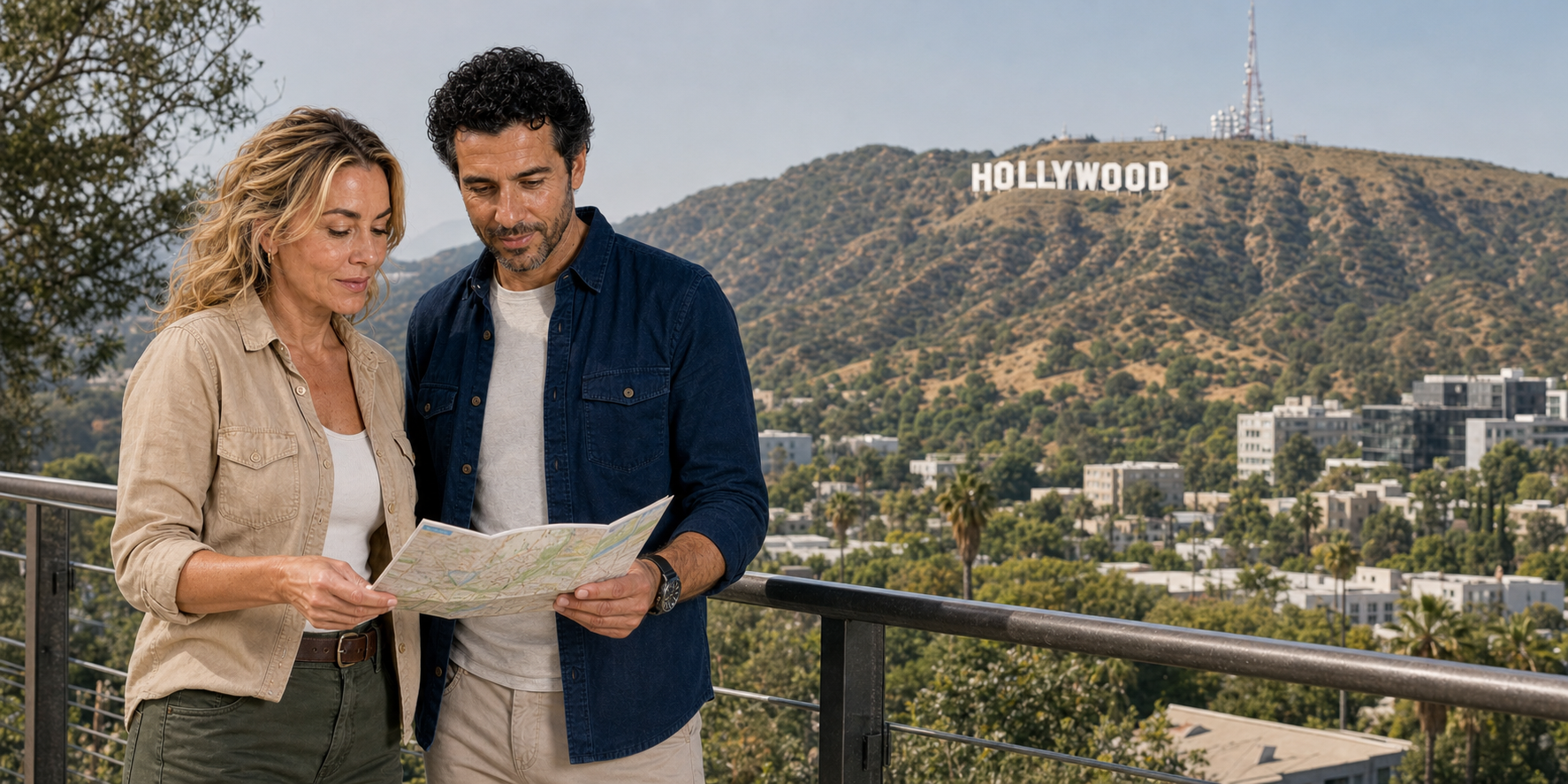
City, screen and street desk
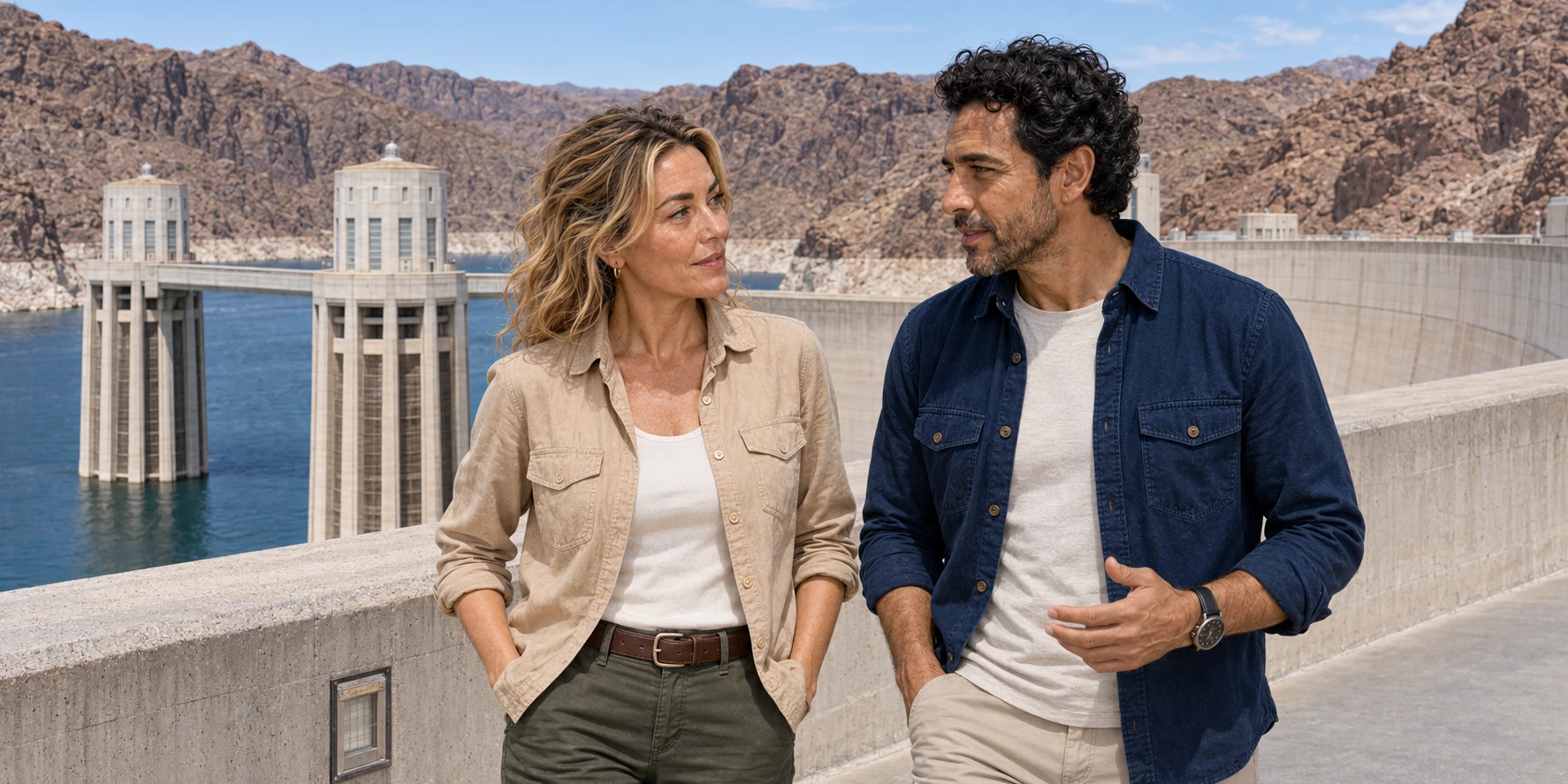
Infrastructure and river desk
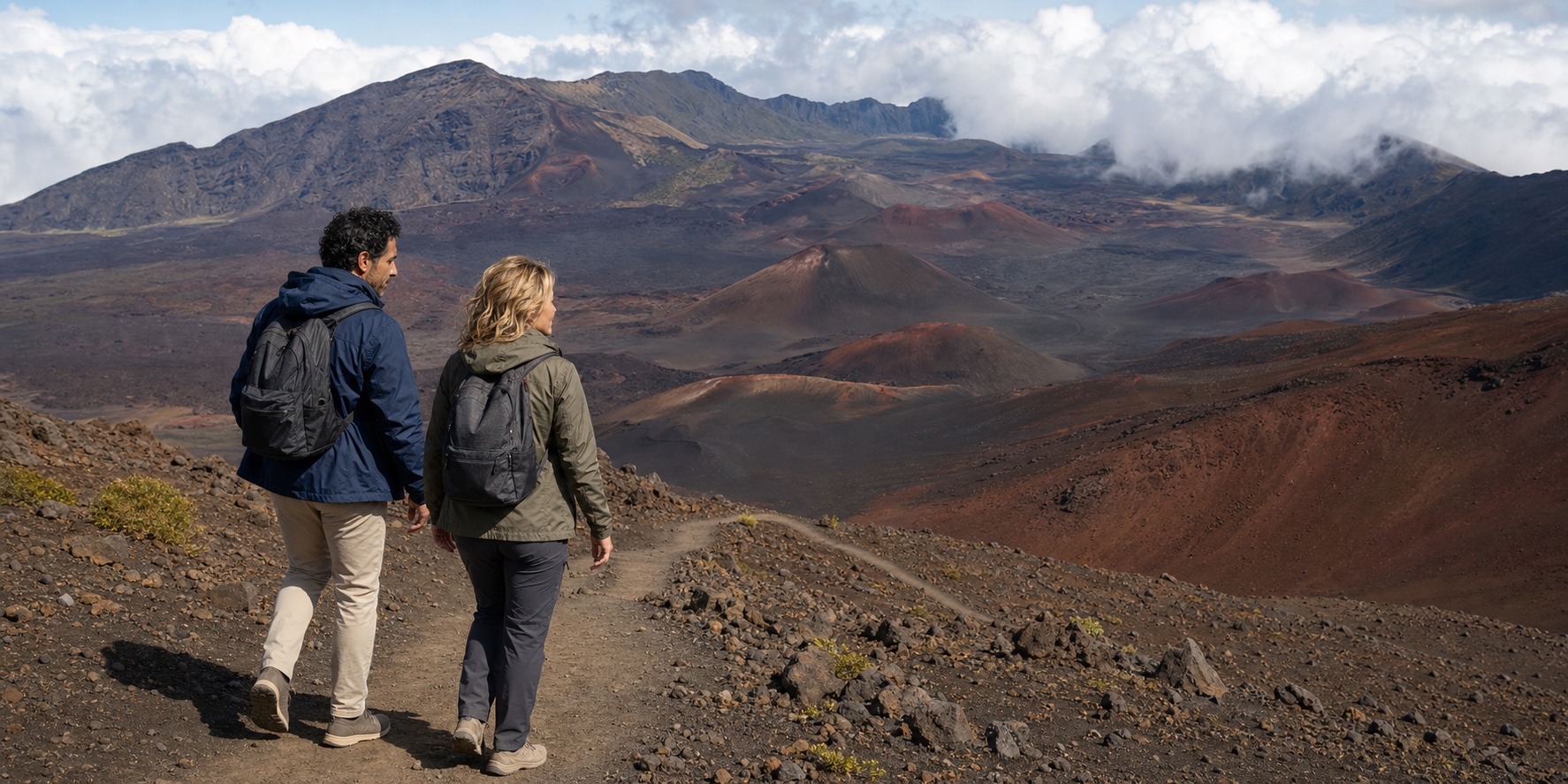
Destination desk 12
Colorado River desk
Destination desk 10
Destination desk 08
Destination desk 03
Destination desk 04
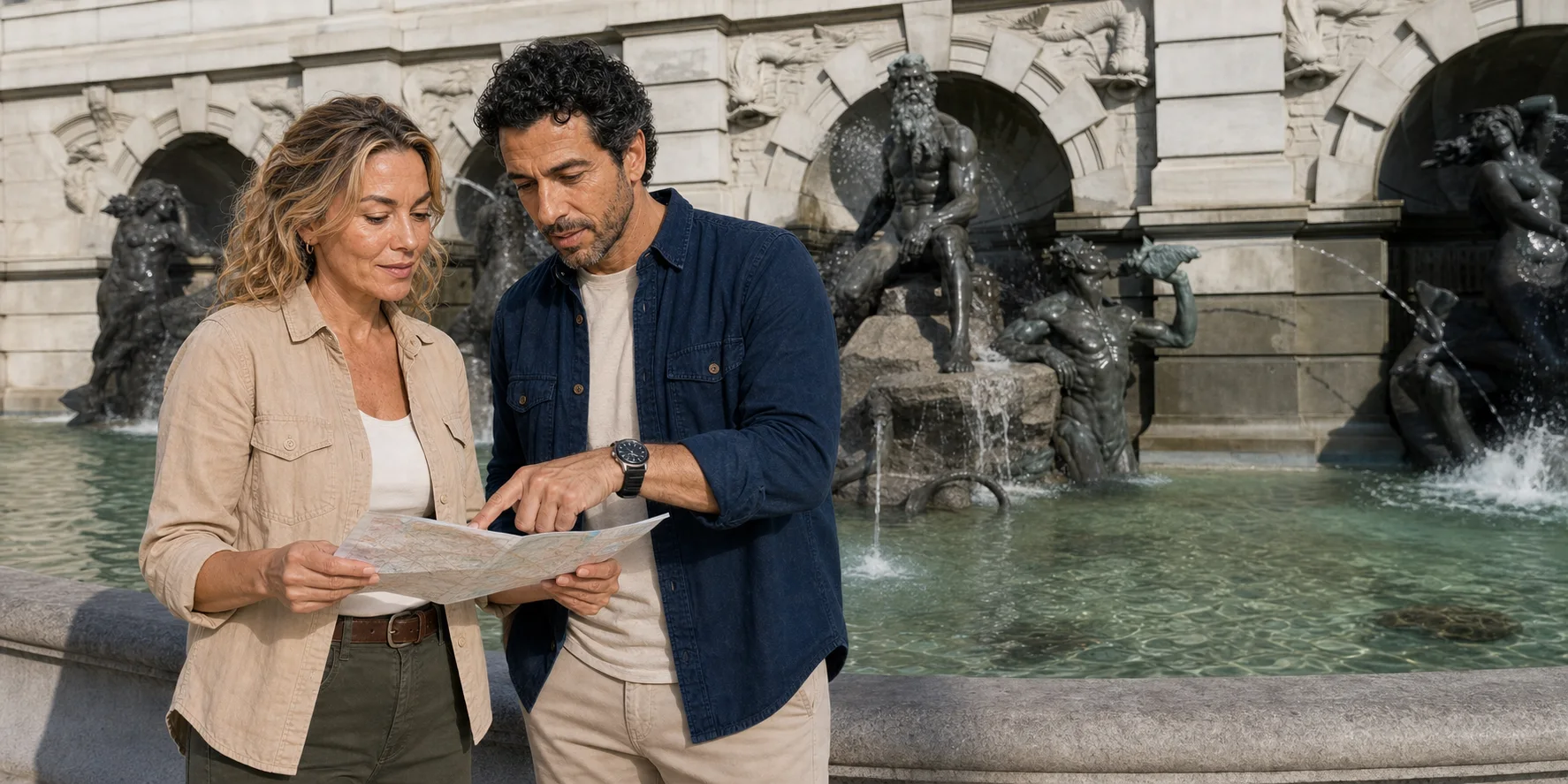
Destination desk 05
Stories from the United States
Read a working spaceflight campus, two Colorado Plateau parks, a mediated metropolis, a high volcanic summit, Hualapai land, the Colorado River, Wampanoag homeland and two Greater Boston founding landscapes; then ask how road, water, colonisation, institutions and night change what a traveller can see.
Story 55 · Greater Boston
Story 48 · Houston & Johnson Space Center
Story 46 · Moab, Arches & Canyonlands
Story 45 · Grand Canyon West
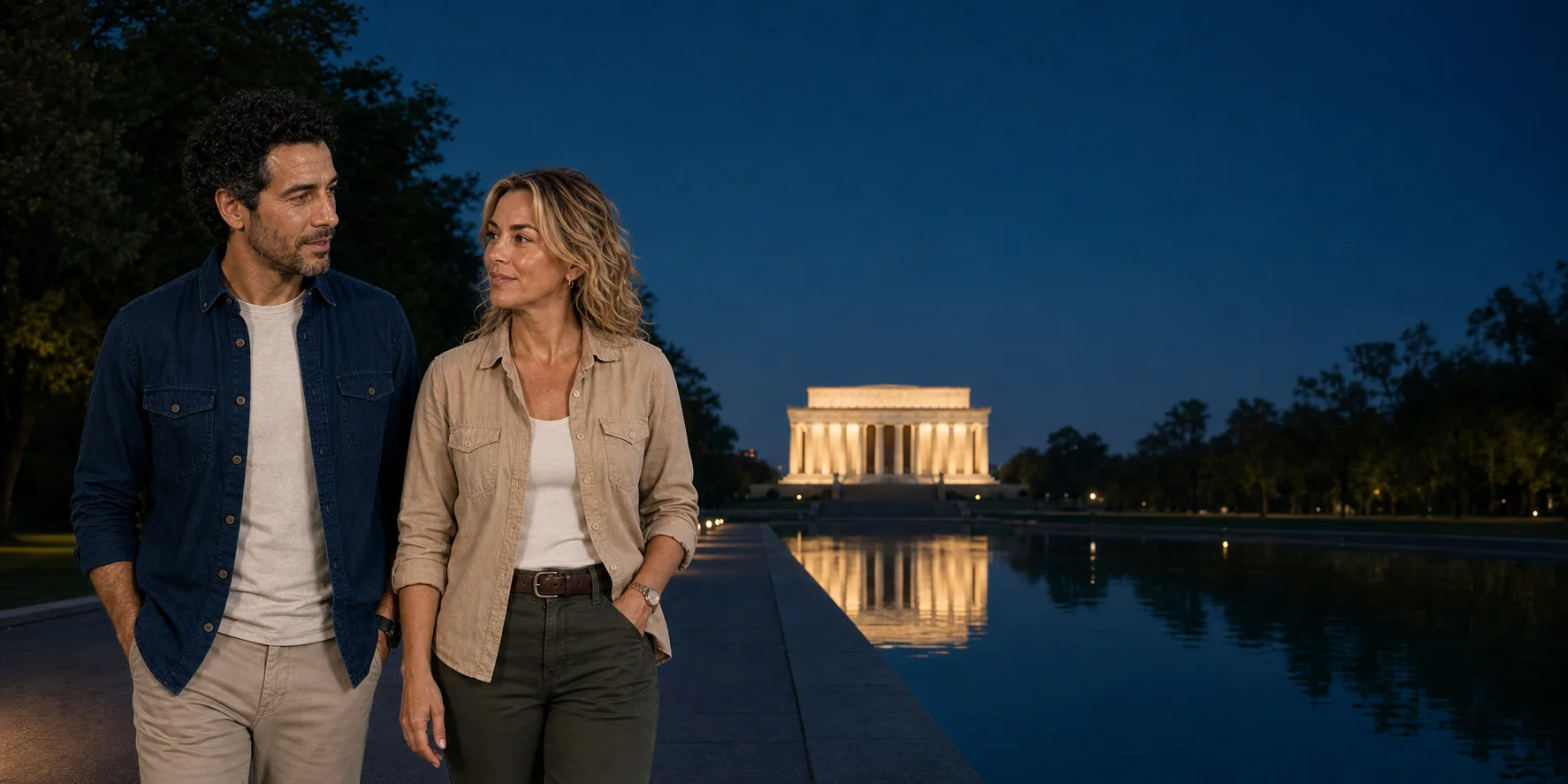
Story 43 · Washington, D.C.
Story 41 · Los Angeles
Story 33 · Hoover Dam & Lake Mead
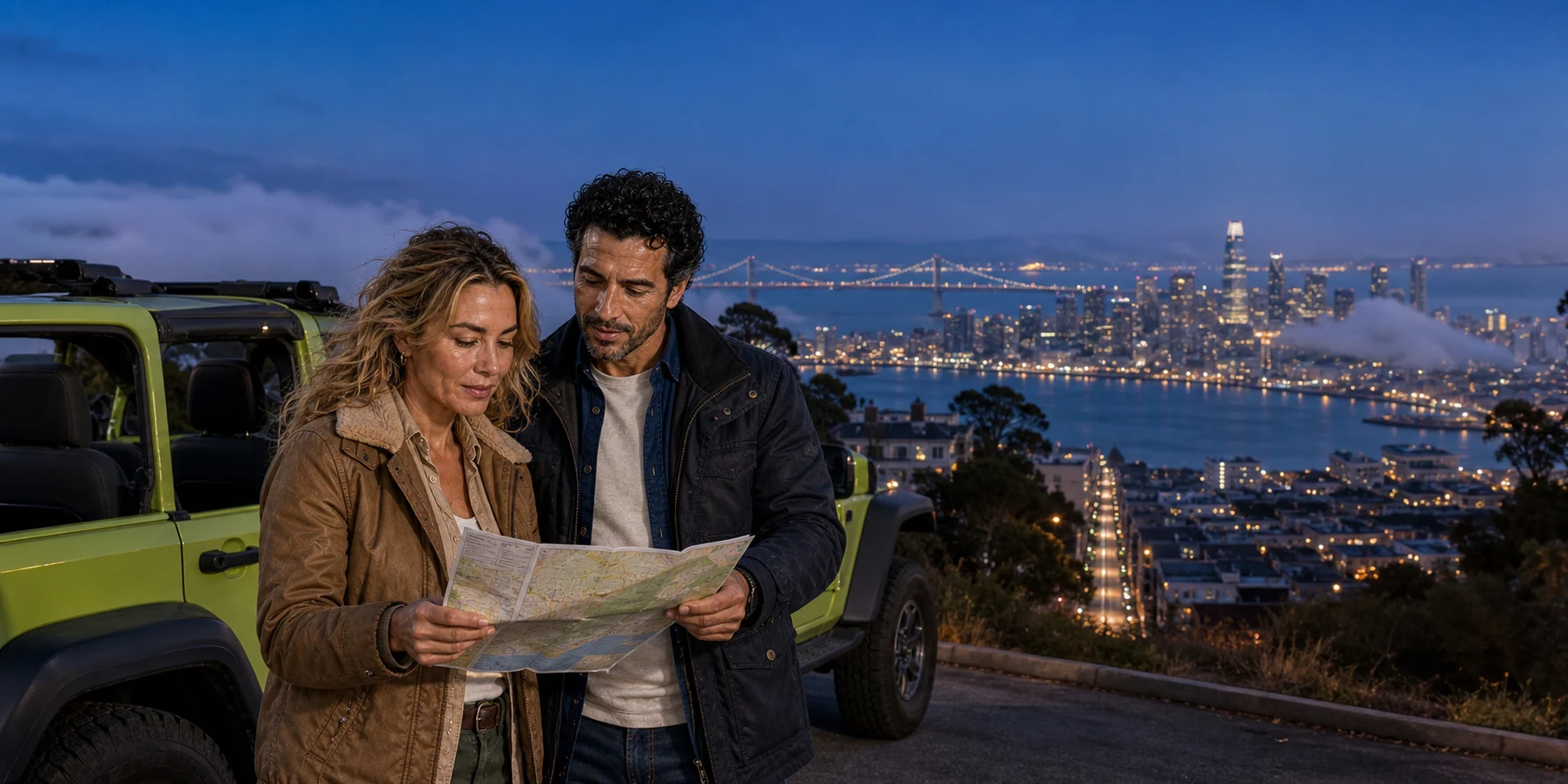
Story 25 · San Francisco
Story 23 · Maui
Story 19 · Black Canyon
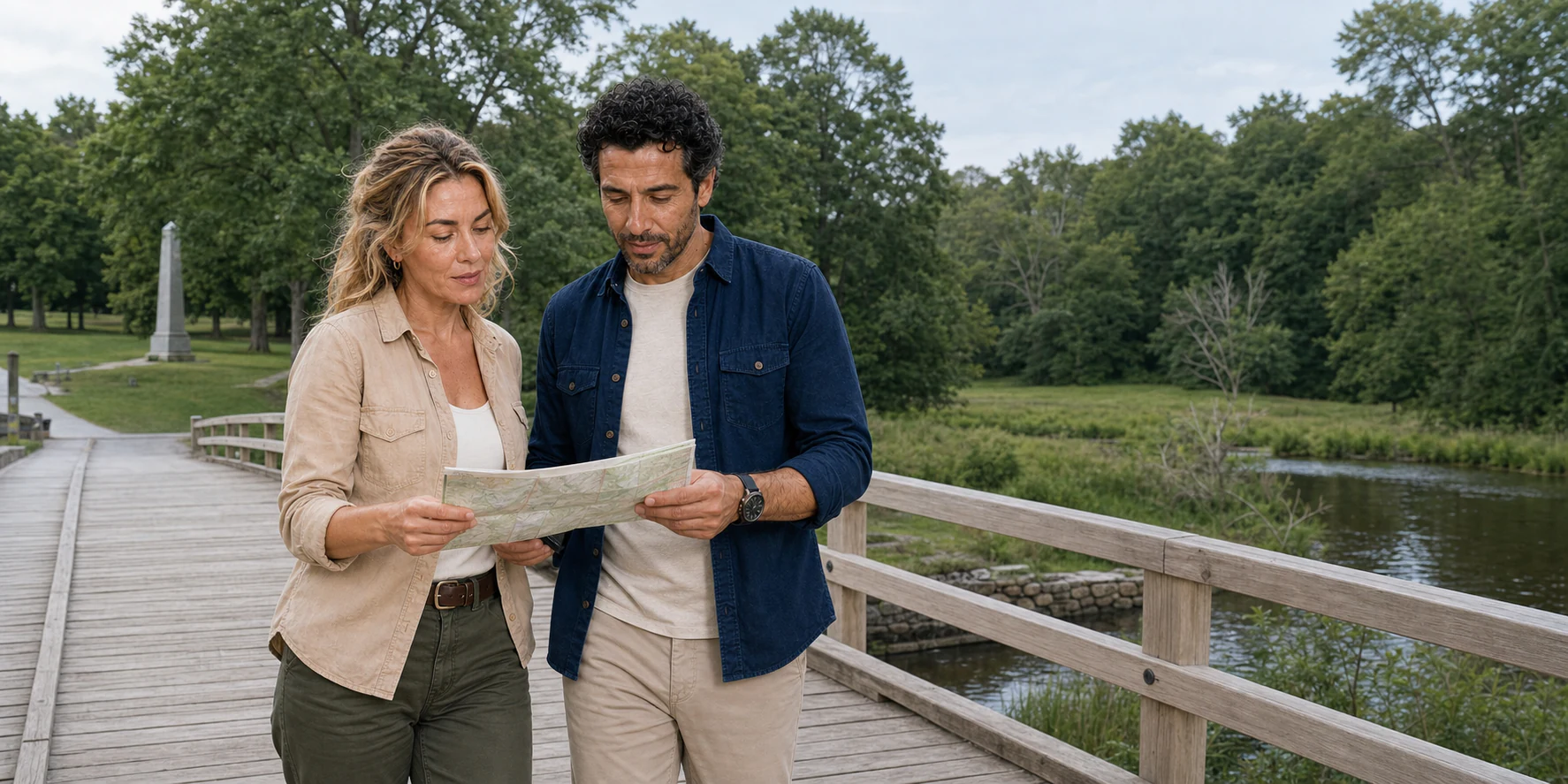
Story 14 · Greater Boston
Story 10 · Honolulu
Story 07 · Washington, D.C.
Story 06 · New Orleans
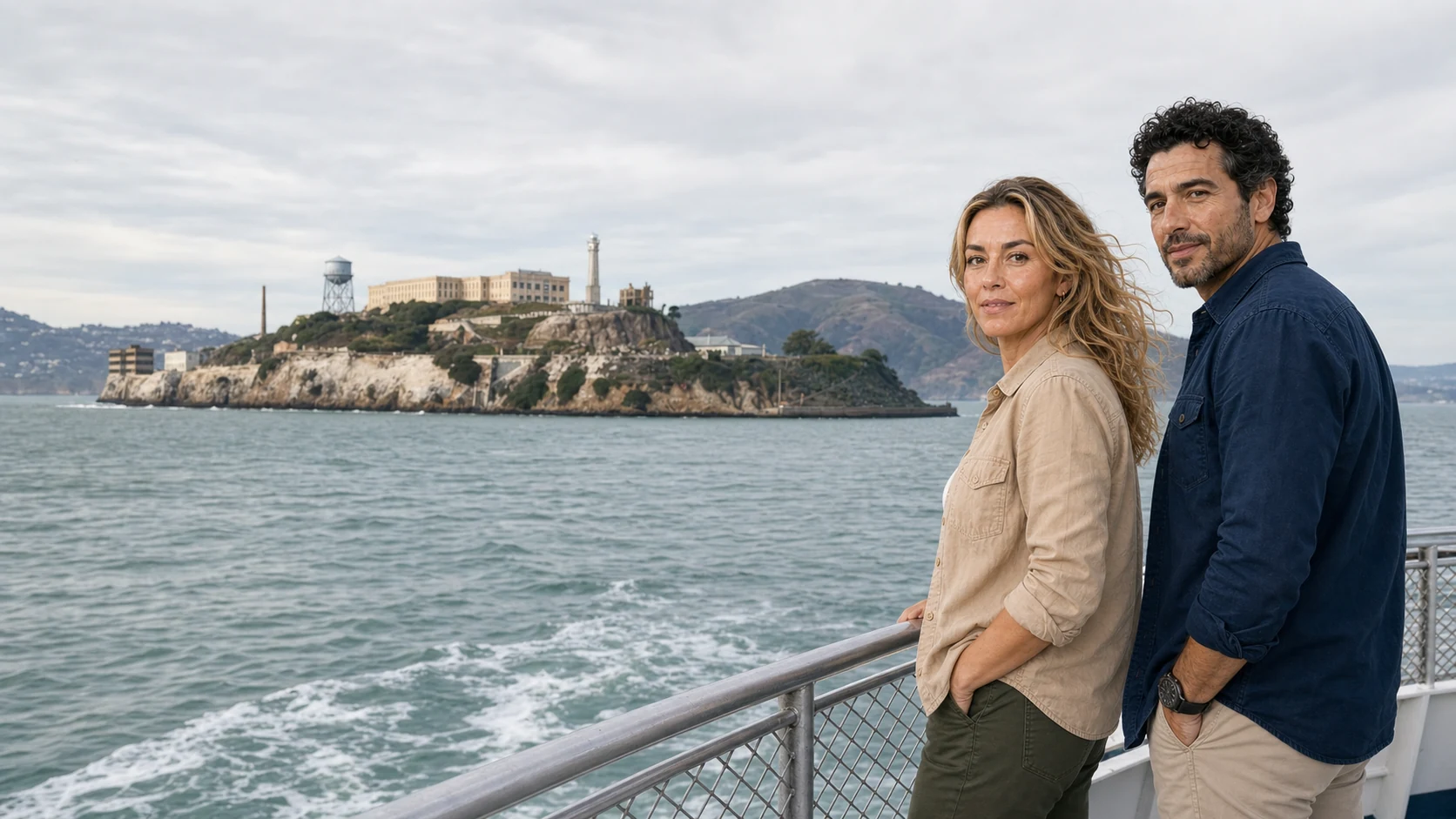
Story 04 · San Francisco
Ways into the United States
How river rules, conservation, reservations and visitor infrastructure shape an encounter with protected places.
Dams, bridges, ferries, legislatures, libraries and archives understood as working systems rather than backdrops.
Places where Indigenous, military, carceral, civic and cultural histories demand more than one familiar story.
Continue researching
Use current official sources for planning, institutional collections for deeper context and ExcursionPass when a connected experience supports the story.
Explore United States experiences