Story 30 · Rome
Destination desk 09 · Lazio
A layered city read at three scales: inside the ancient valley, across the living streets and beyond the walls along the Via Appia.
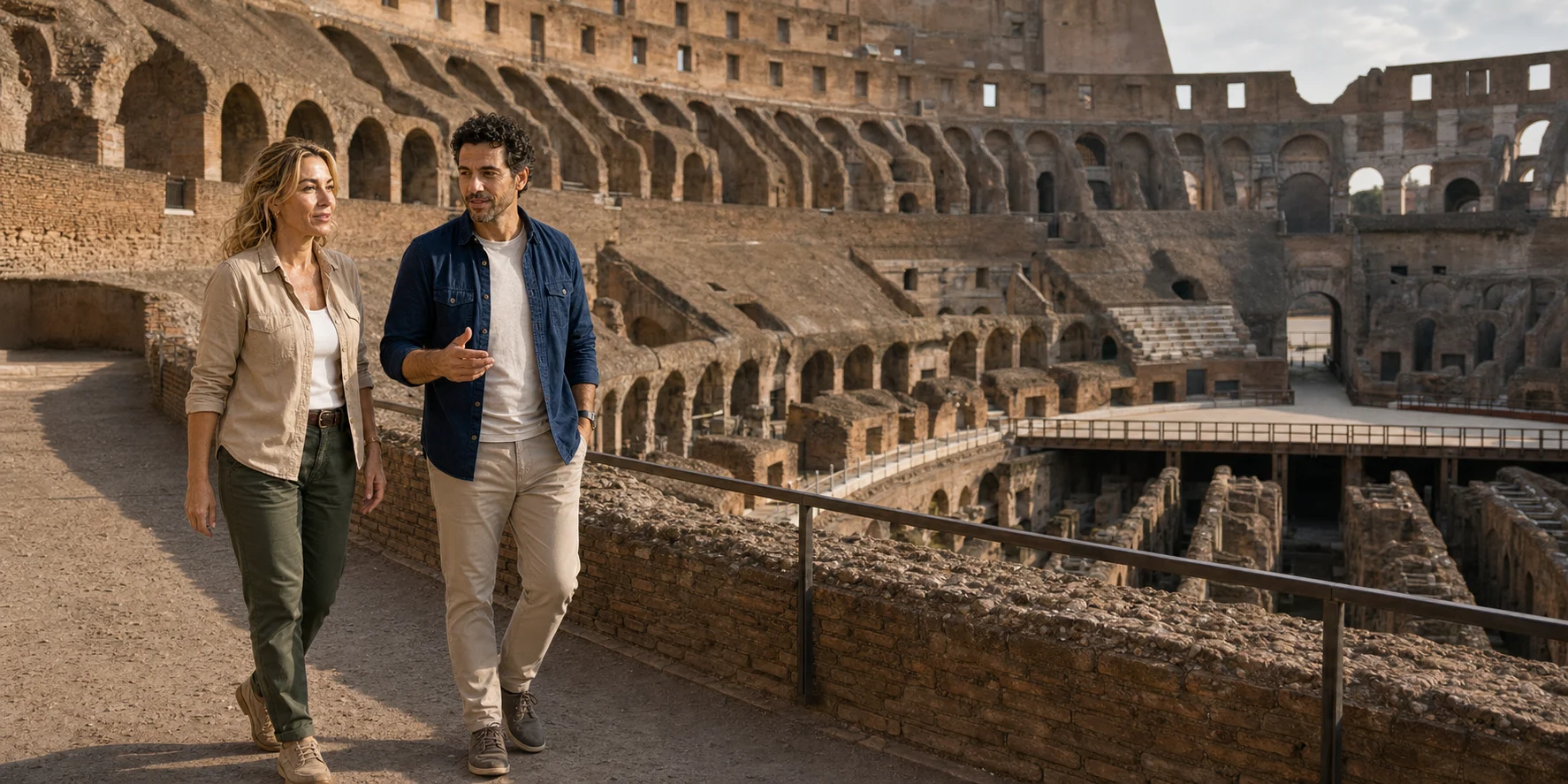
Colosseum Arena · ExcursionPass original generated visual
The route before the checklist
The Colosseum, Roman Forum and Palatine stand close together, but each asks a different question. The amphitheatre reveals how architecture sorted a crowd and concealed labour. The Forum shows institutions competing for space and memory. The hill shows a ruler’s home becoming a system of government.
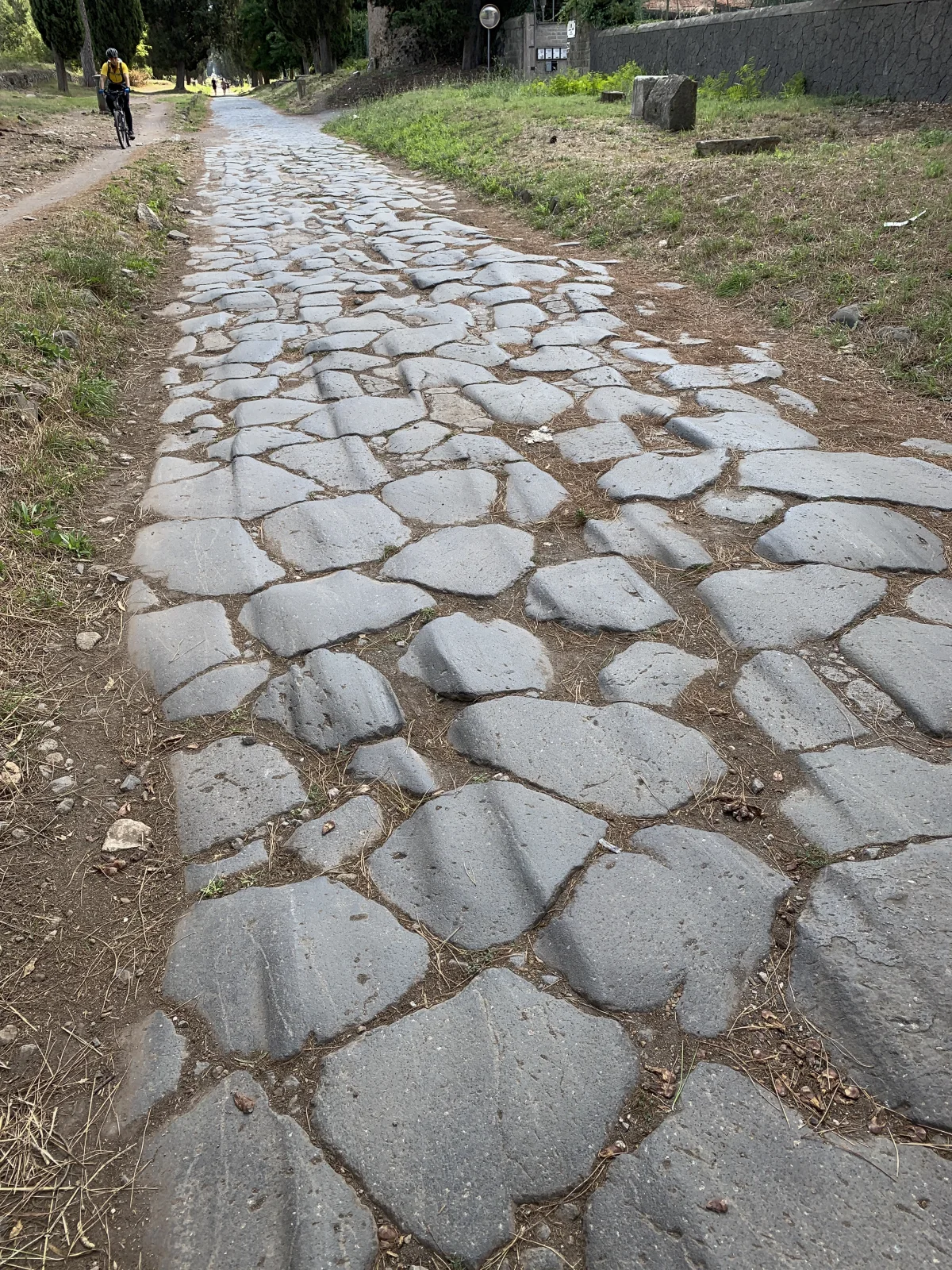
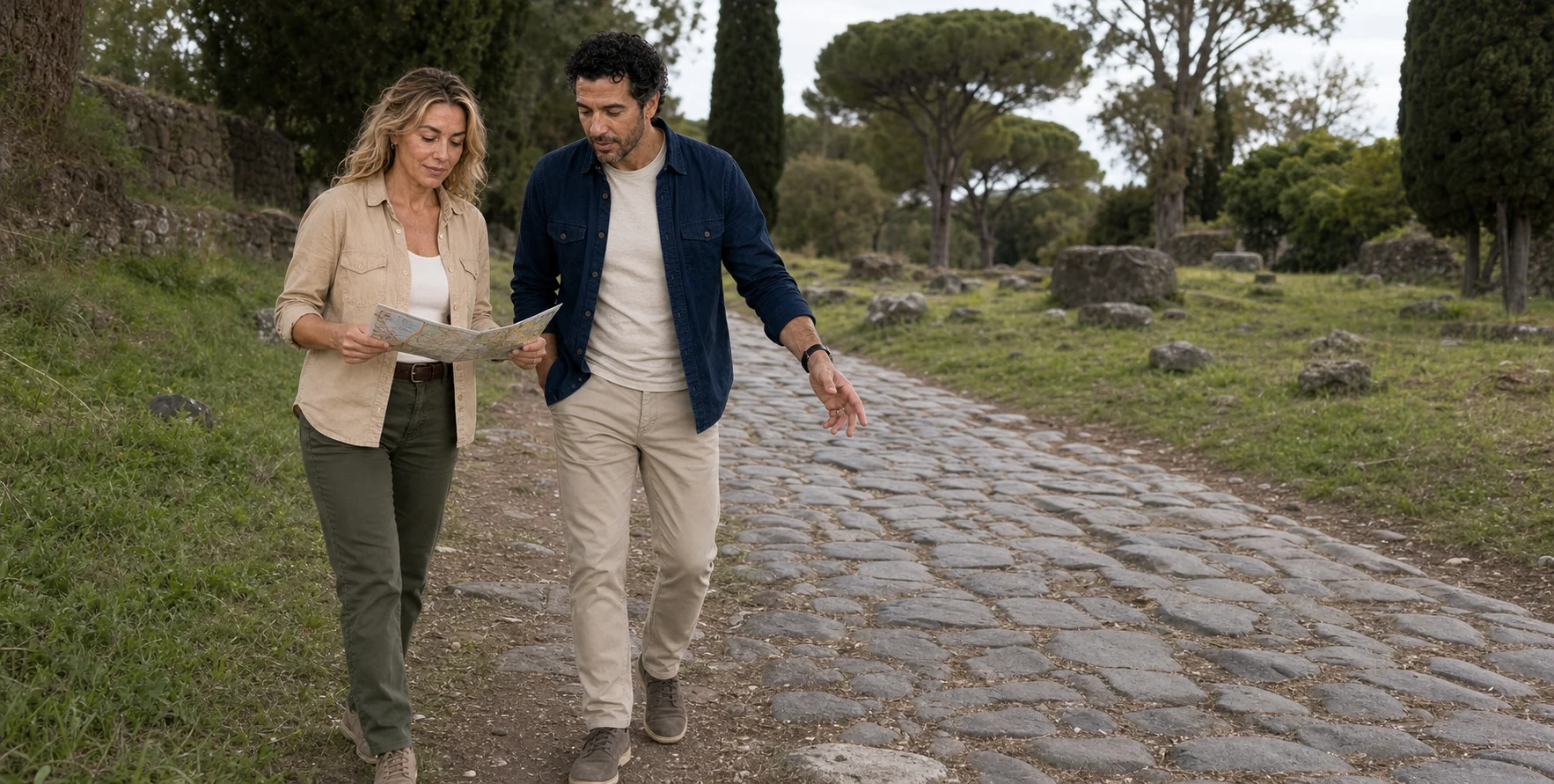
Move outward and the questions change. Circus Maximus is a valley before it is a monument; the Pantheon’s portico withholds the dome; Piazza Navona preserves a stadium in its outline; Trevi turns aqueduct water into public theatre. Beyond the walls, the Via Appia joins state infrastructure, roadside burial, later reuse, catacomb archaeology and a living protected landscape.
Use the archaeological story for interior depth, the street-scale story for city orientation and the Appian story for road, tomb and access. Recheck official cultural, religious and mobility pages immediately before visiting, because entry, traffic, weather, closures and underground rules change.
The Rome field stories
Three self-contained routes keep monument interiors, city systems and the Appian burial landscape distinct while showing how movement joins them.
Story 30 · Rome
Story 16 · Rome
Story 11 · Rome
Ways into Rome
Separate a façade or street view from the archaeology, worship, conservation and timed access that only become legible inside.
Read valleys, hills, piazza outlines, fountains and aqueduct termini as systems connecting ancient and early-modern Rome.
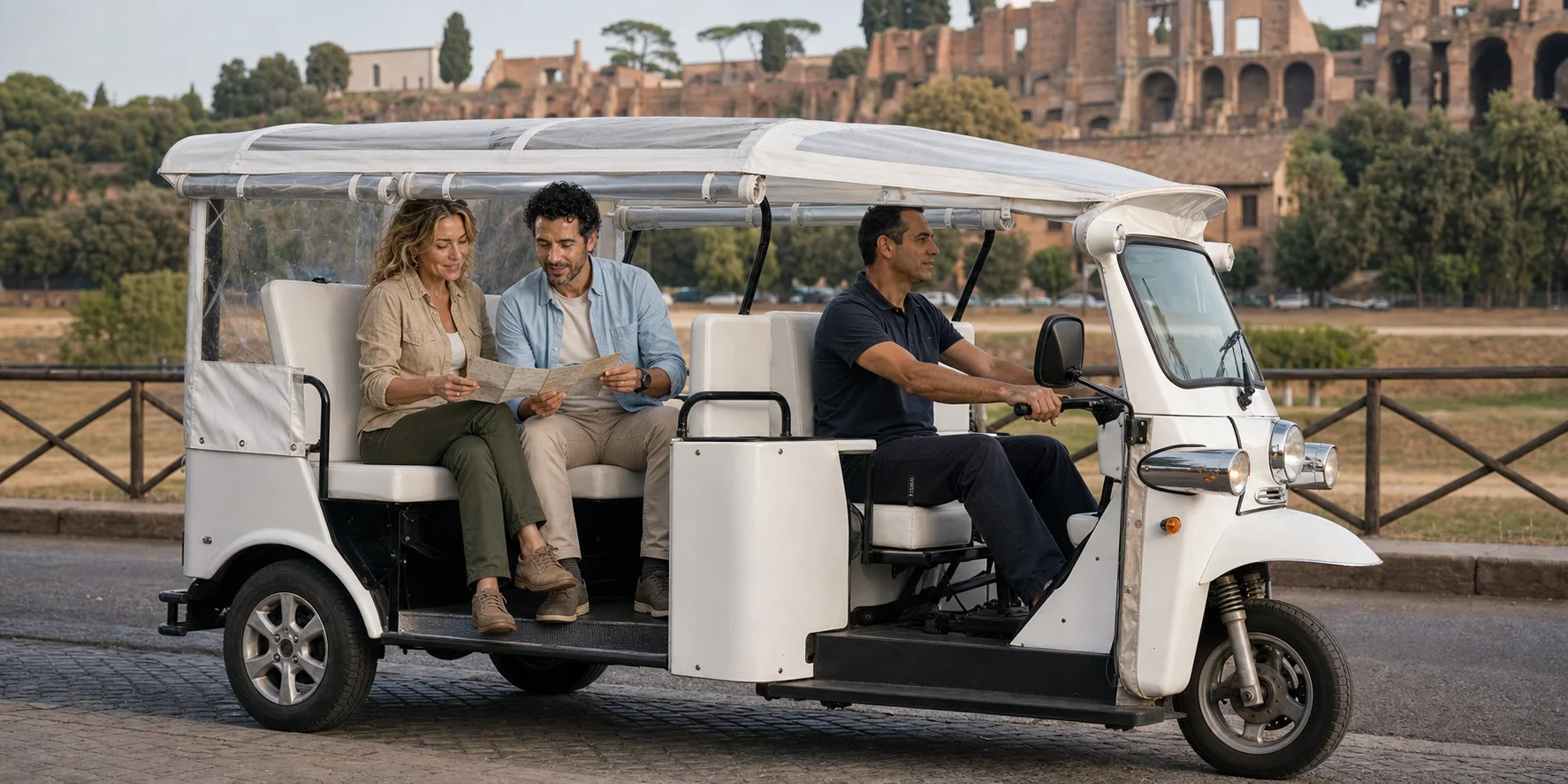
Make traffic rules, pedestrian space, heat, boarding, walking and legal stopping points part of the city rather than hidden logistics.
Plan from current sources
Timed monument entry, worship, ZTL permits, managed fountain access and an operator’s legal stop are different rules. Confirm the exact question before choosing a format.
Read the street-scale field guide