Story 53 · Amalfi Coast & Sorrento
Country desk 04 · Europe
Living cities and maintained landscapes, from the Amalfi Coast and Lake Como to Milan’s working cathedral, Rome’s ancient routes and Pompeii’s exposed urban systems.
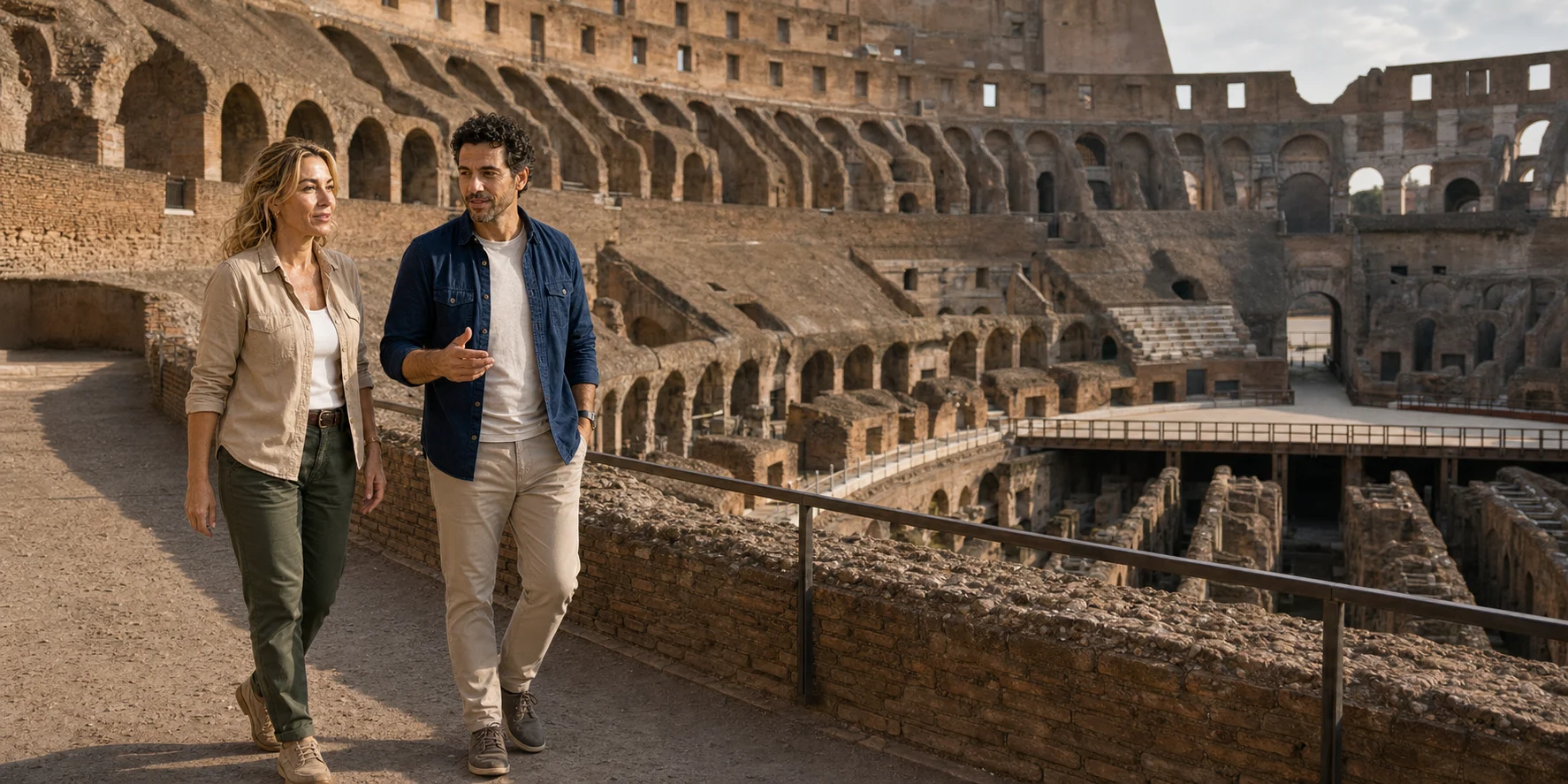
Colosseum Arena · ExcursionPass original generated visual
The country through evidence
Italy’s monuments and landscapes are not sealed products of one golden age. Ancient fabric, later reuse, worship, agriculture, excavation, conservation, transport and contemporary life meet on the same ground.
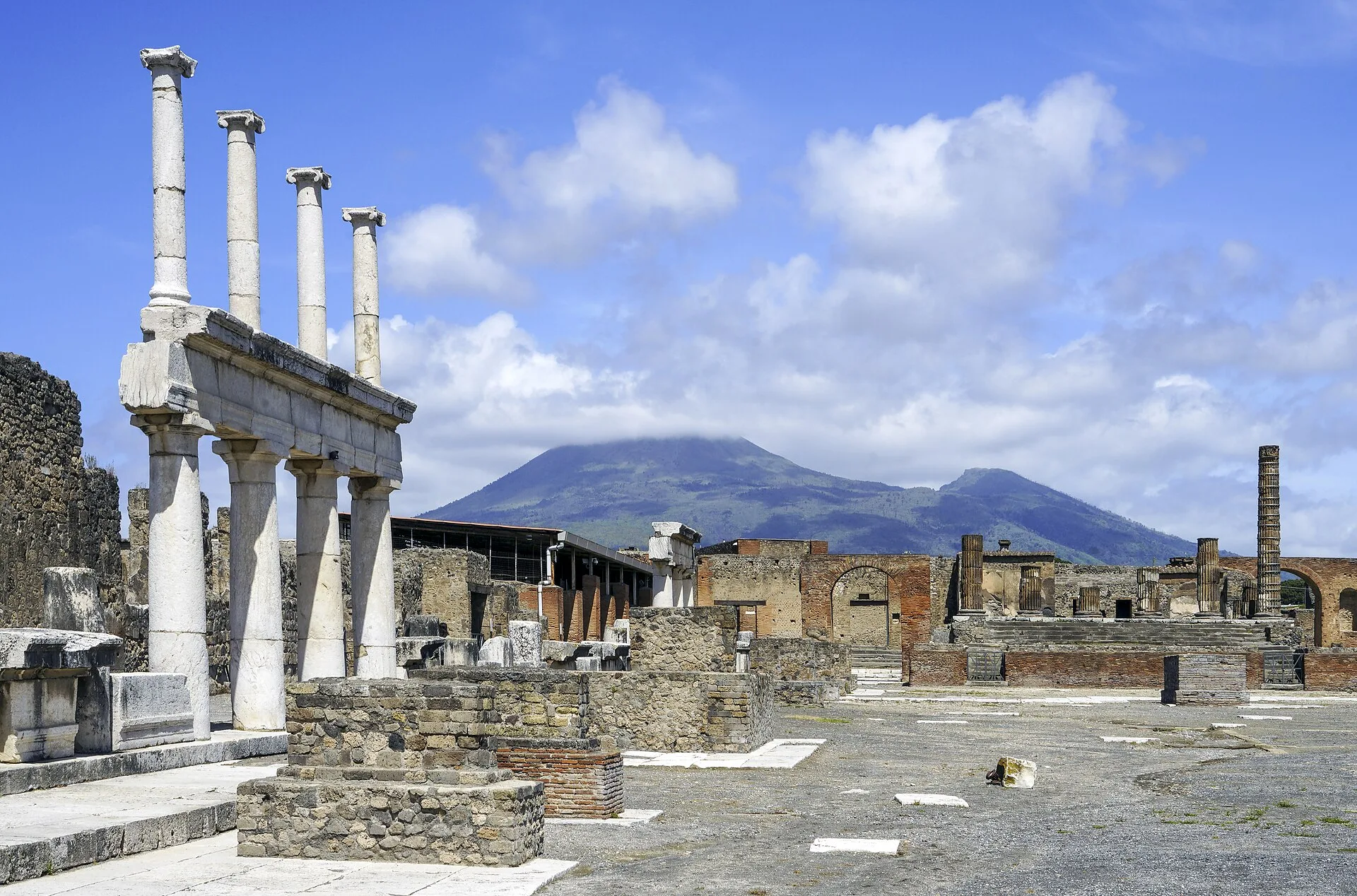
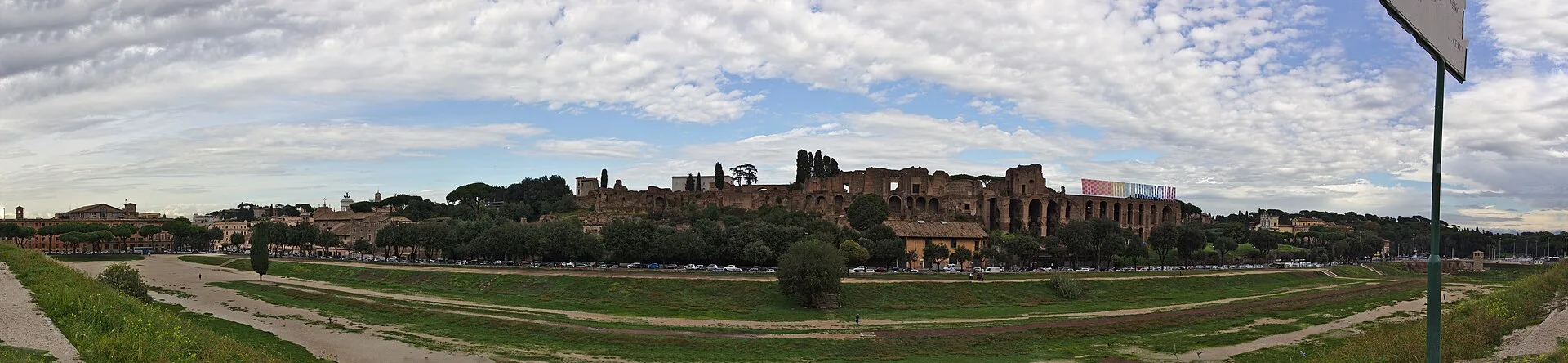
The Amalfi Coast joins geology, terraces, ports, road engineering and resident life. Lake Como joins basin, wind, public navigation, hydraulic work and steep village morphology; the cross-border route then asks what changes between Como and Lugano without turning either place into a national stereotype. Milan reads a cathedral through older sacred ground, Candoglia marble, structural decisions and continuous care. Rome moves from the archaeological valley to the Appian landscape beyond the walls. Pompeii begins with a working town, then separates eruption phases, human decisions, excavation politics and care after exposure.
The desks are related without collapsing into one timeless “Italy.” Each keeps its chronology, material evidence, living institutions, current access and the people affected by power specific.
New in Campania
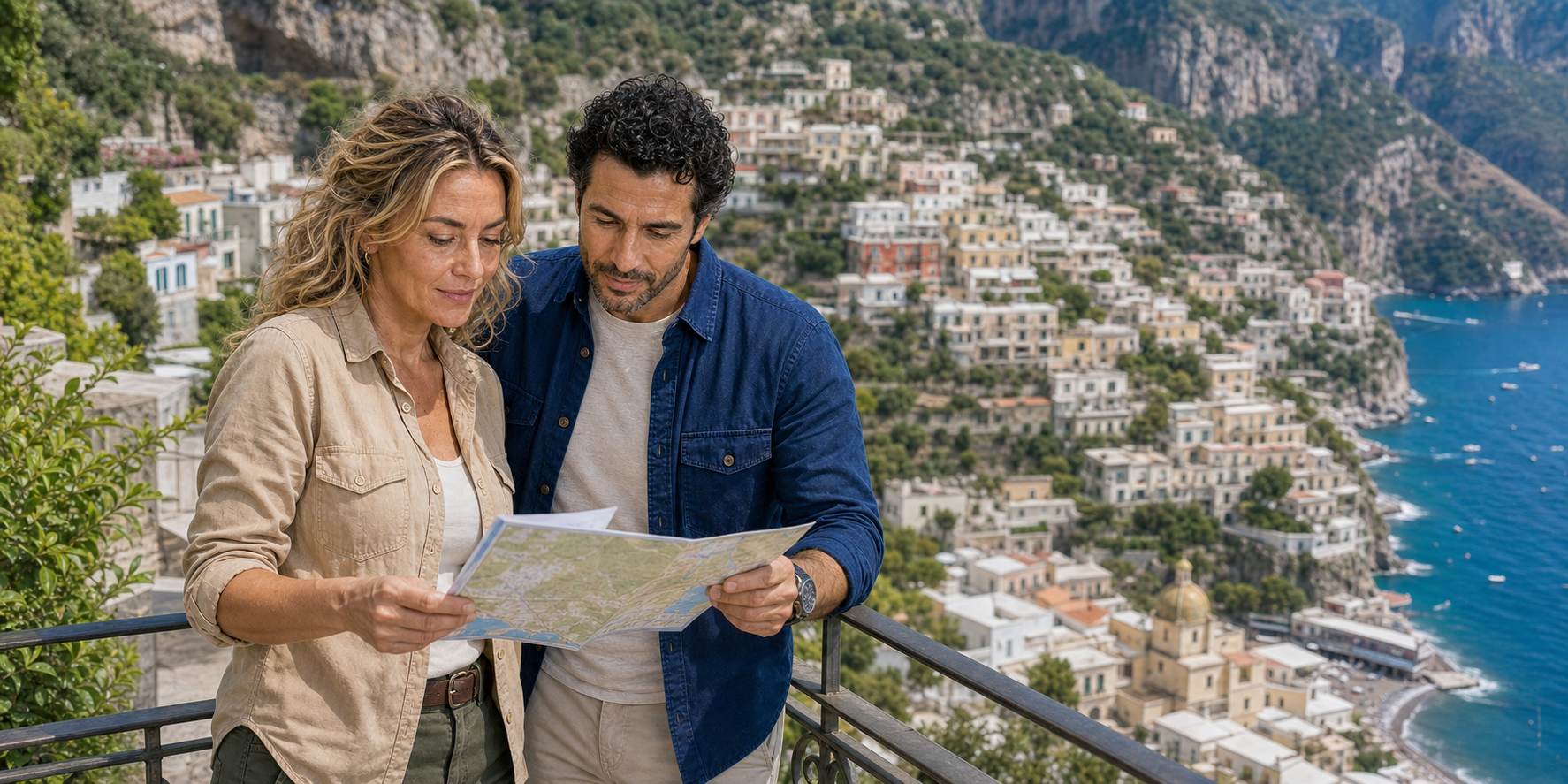
Sorrento, Positano, Amalfi and Ravello occupy four different landforms. The new desk keeps their histories and practical limits distinct.
Story 53 · Amalfi Coast & Sorrento
Destination desks
Lake Como joins water, work and navigation; Milan joins sacred ground, engineering and care; Rome connects monument interiors and movement; Pompeii joins urban life, eruption science and conservation.
Stories from Italy
Read Lake Como from the waterline and across the Swiss border, Milan's continuing cathedral, a changing town at Pompeii and three Rome scales from the archaeological valley to the Appian landscape.
Story 54 · Lake Como & Lugano
Story 51 · Lake Como & Lugano
Story 30 · Rome
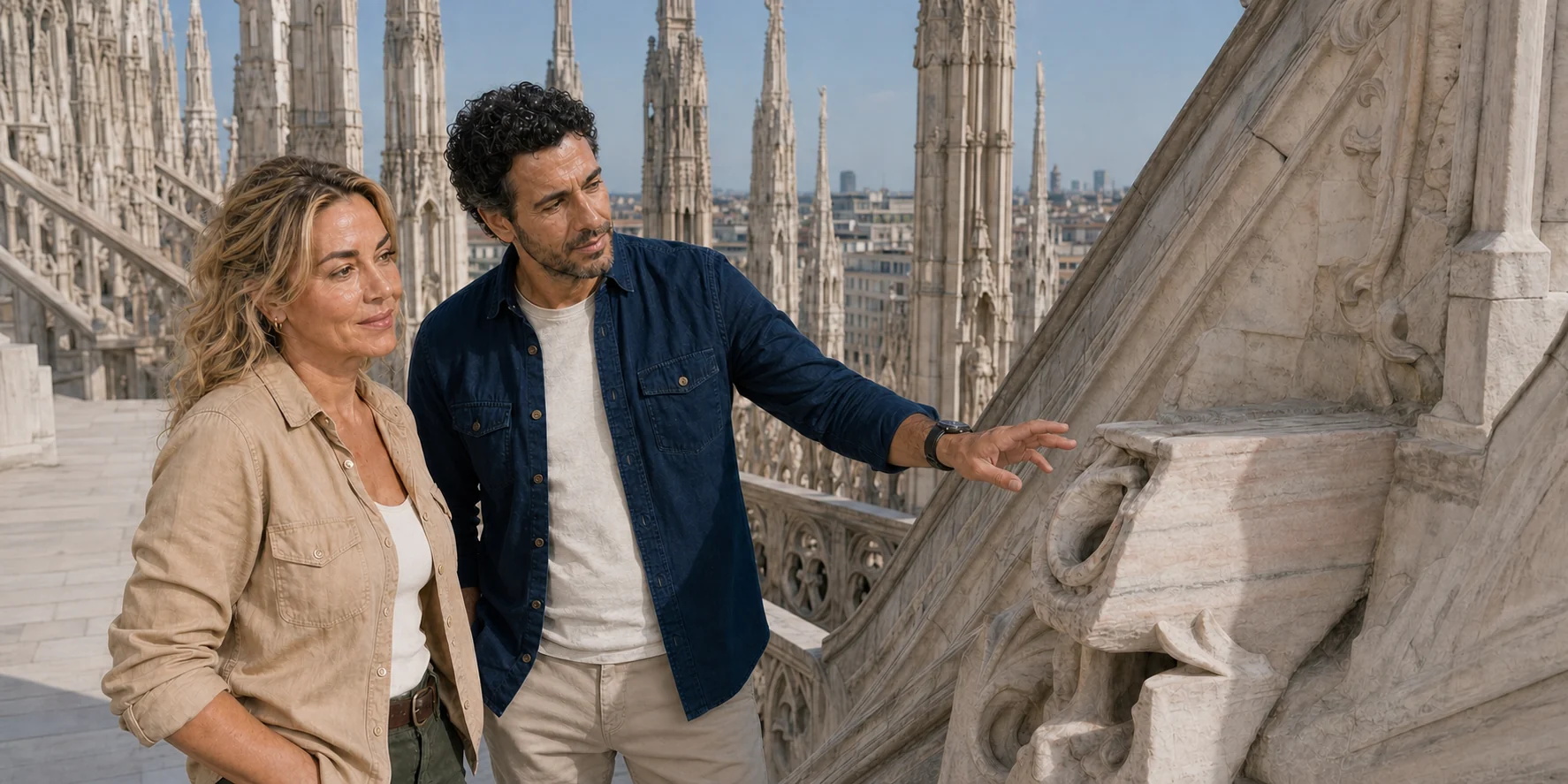
Story 29 · Milan
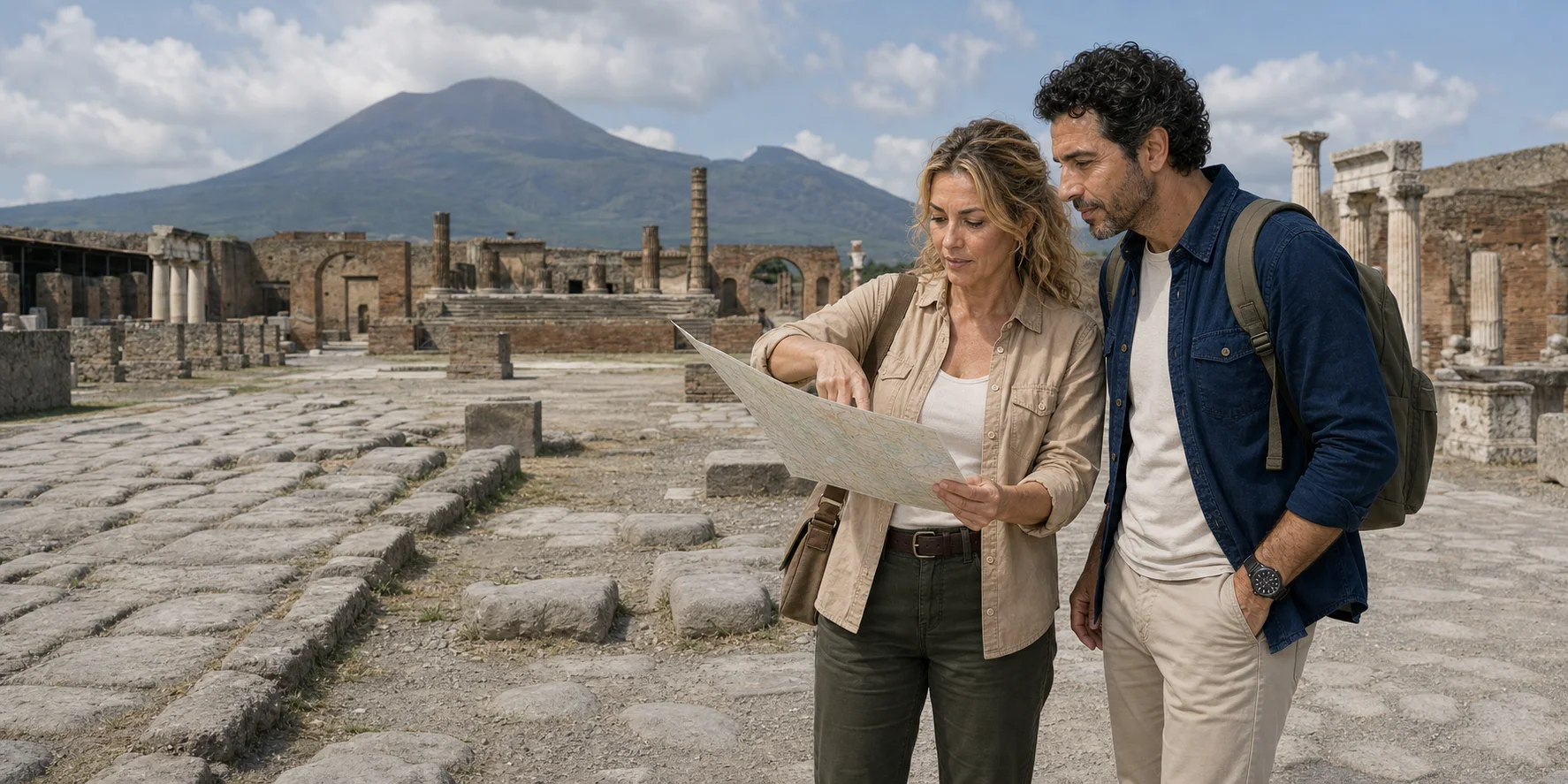
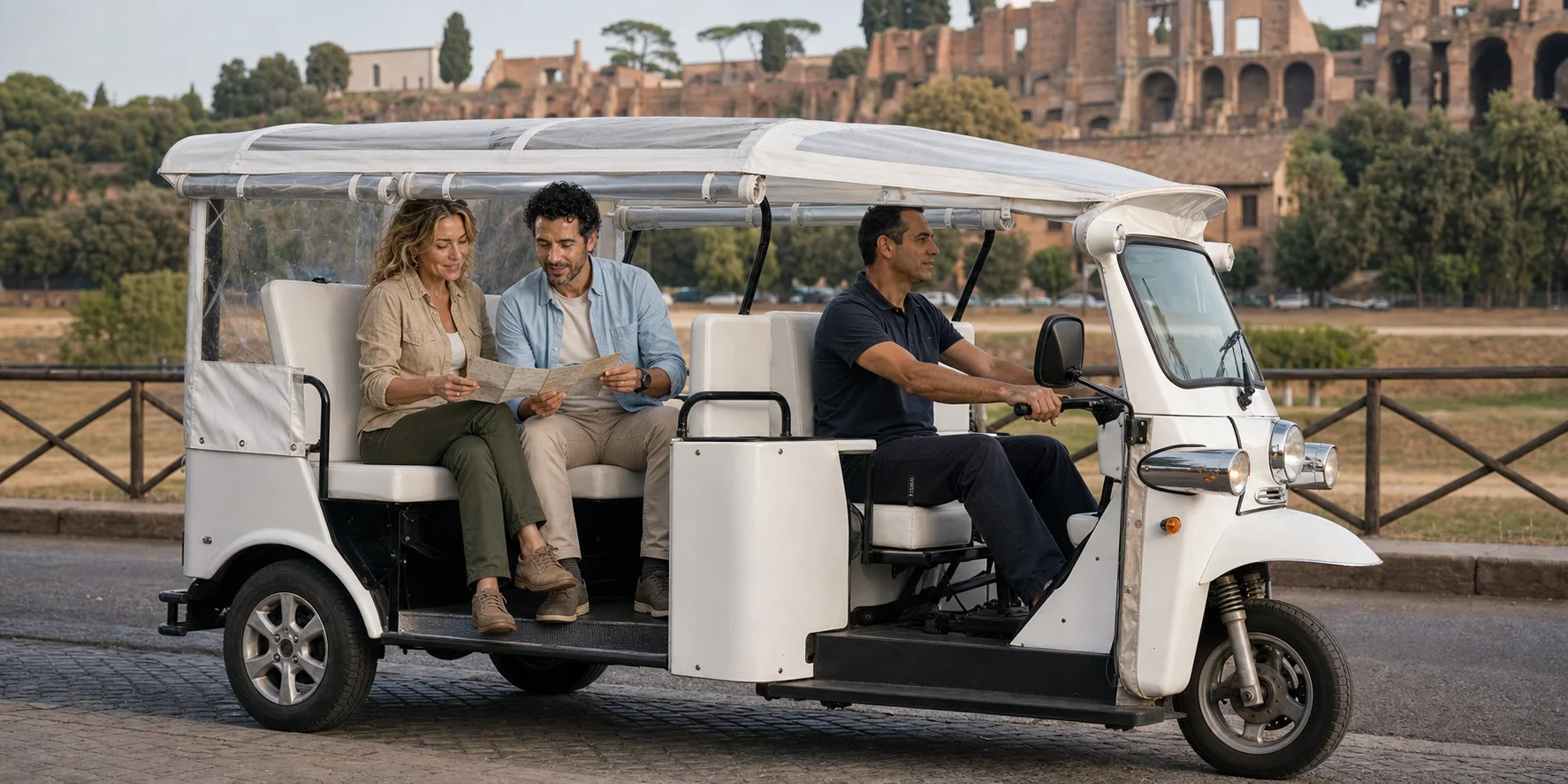
Story 16 · Rome
Story 11 · Rome
Ways into Italy
Ask what survives, what was repaired, what was reconstructed and which claim each layer can actually support.
Keep rulers, citizens, workers, residents, drivers and pedestrians visible without inventing testimony or universal experience.
Conservation, crowds, worship, water, transport and restricted streets are part of the place—not distractions from an imagined ancient purity.
Continue researching
Start with the institution closest to current navigation, worship, archaeology or access, then choose the Lake Como, Milan, Rome or Pompeii desk for the exact route.
Open the Milan desk