Story 62 · Riyadh
Country desk · Arabian Peninsula
A country approached through named landscapes, material systems and contested histories—beginning where Riyadh's wadi, earthen capitals and metropolitan future meet.
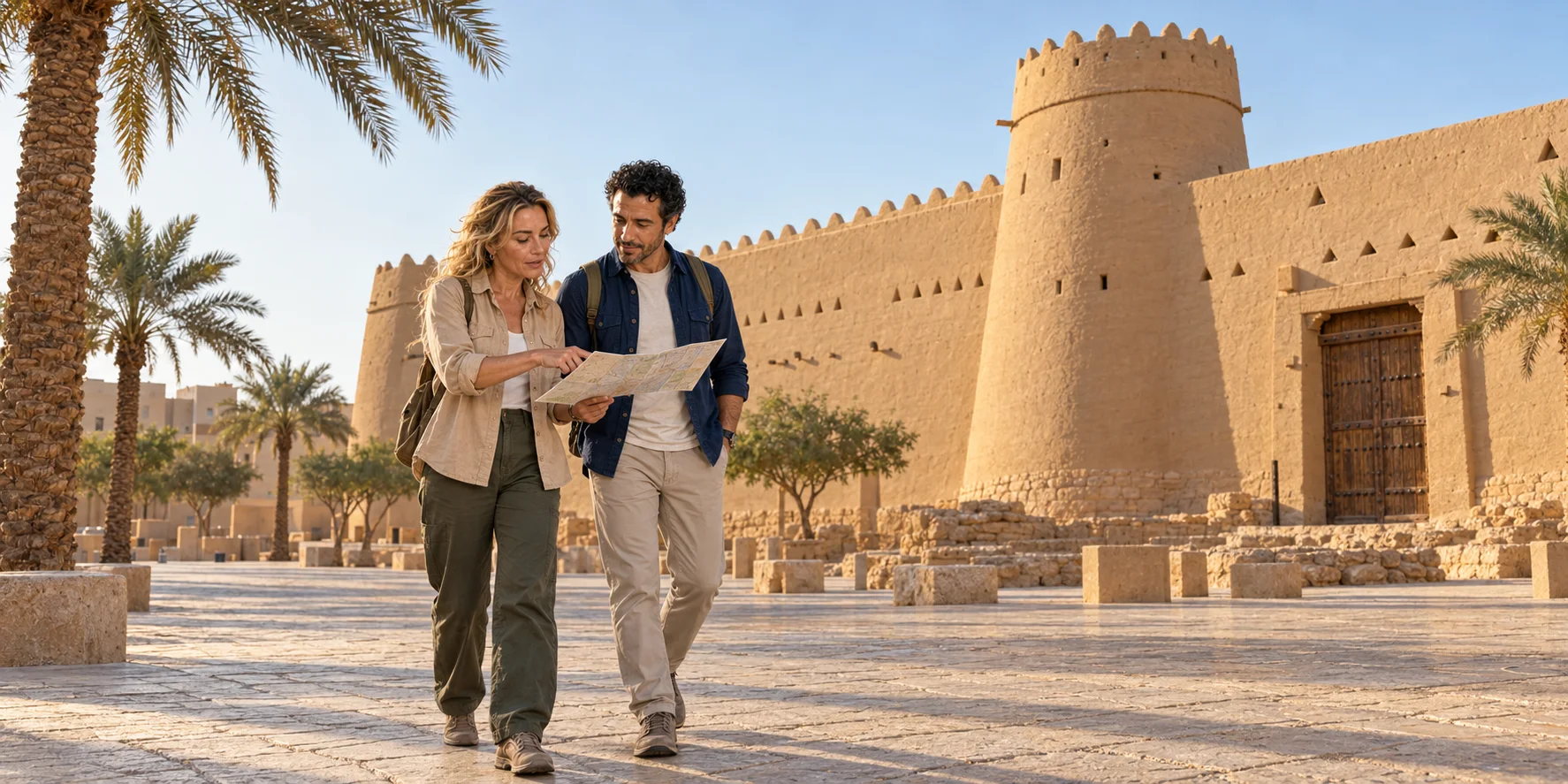
AI-generated illustration · ExcursionPass · Najdi-inspired setting
Landscape before landmark
Saudi Arabia contains coasts, volcanic fields, mountain environments, oases, steppe and sand seas as well as rapidly changing cities. One capital cannot stand for every region or community.
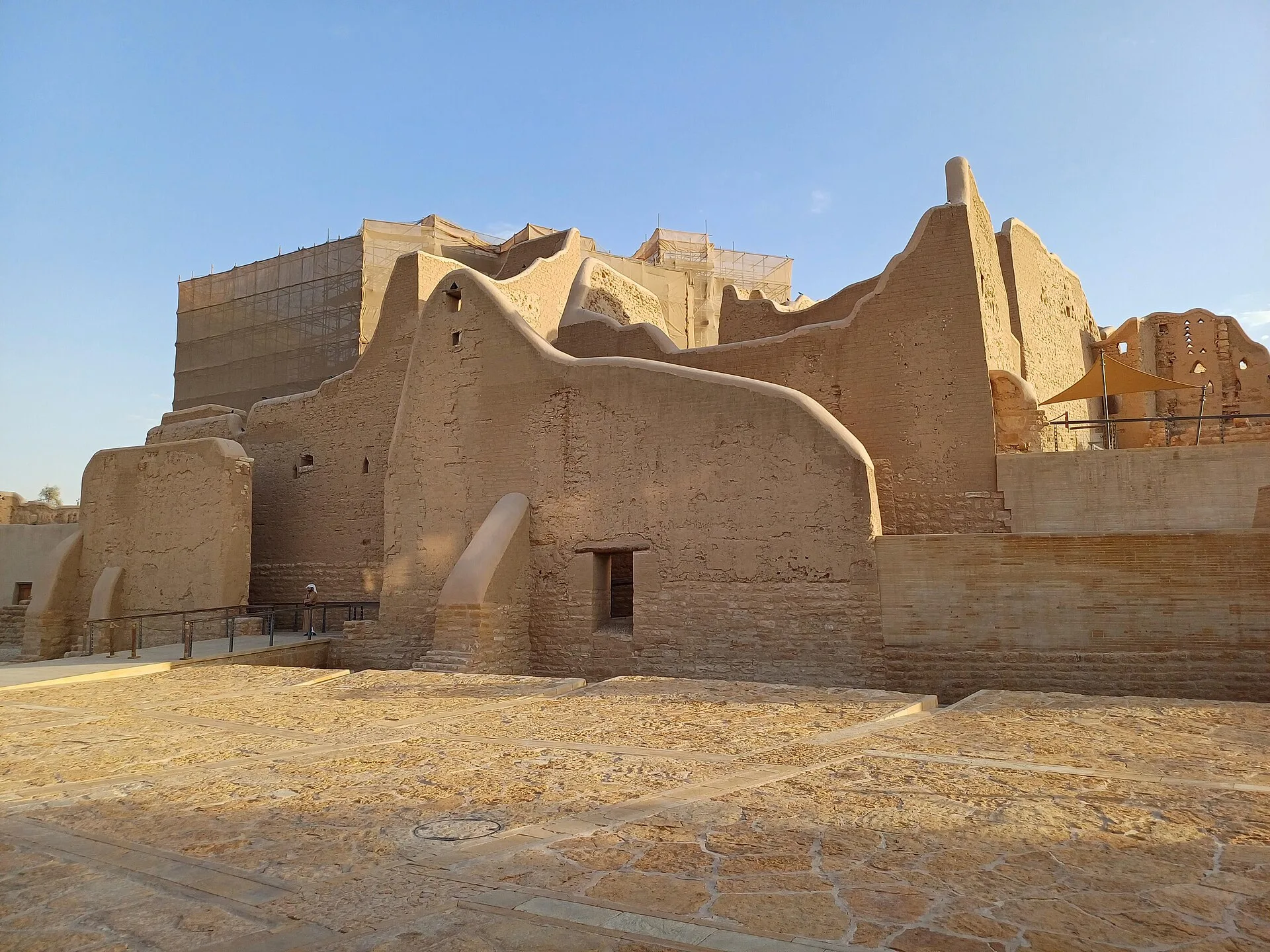
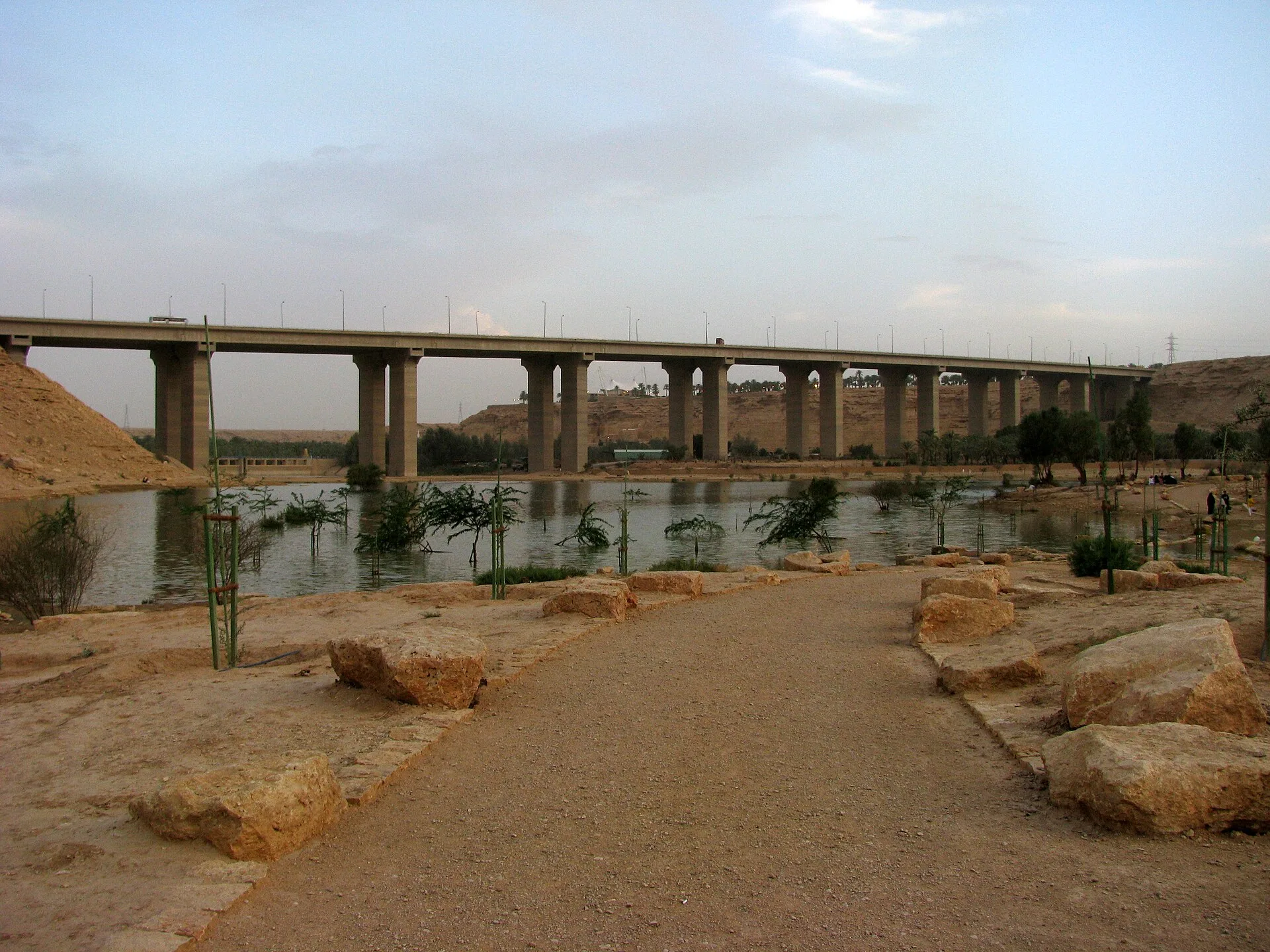
The first desk begins in Riyadh with Wadi Hanifa, At-Turaif, two Saudi states, Najdi earthen construction, Al Masmak, Murabba, the National Museum, post-oil planning and the workers who built the metropolis.
The method is consistent: distinguish official commemoration from complete history, old fabric from reconstruction, enduring context from current access and editorial reporting from booking fulfilment.
Destination desks
The Riyadh desk joins oasis geography, political memory, architecture, museums, infrastructure and practical decisions.
Stories from Saudi Arabia
Read state formation and urban transformation through geography, construction, planning, labour and the institutions that edit memory.
Story 62 · Riyadh
What this desk follows
Start with the wadi, plateau, coast, mountain or oasis that makes settlement possible.
Read earth, stone, timber, concrete and steel as maintained systems rather than visual shorthand.
Compare official chronology, archaeology, scholarship and public memory without forcing agreement.
Keep water, transport, labour, access and conservation inside the destination account.
Use the authority closest to the claim
The feature supplies the complete account. These sources continue into conservation, water, museums and contemporary mobility.
Read the complete Riyadh feature