Field feature · Riyadh
Destination desk · Najd
An oasis capital where earth, state memory, oil-funded planning, ecological engineering and migrant labour shape the same rapidly changing city.
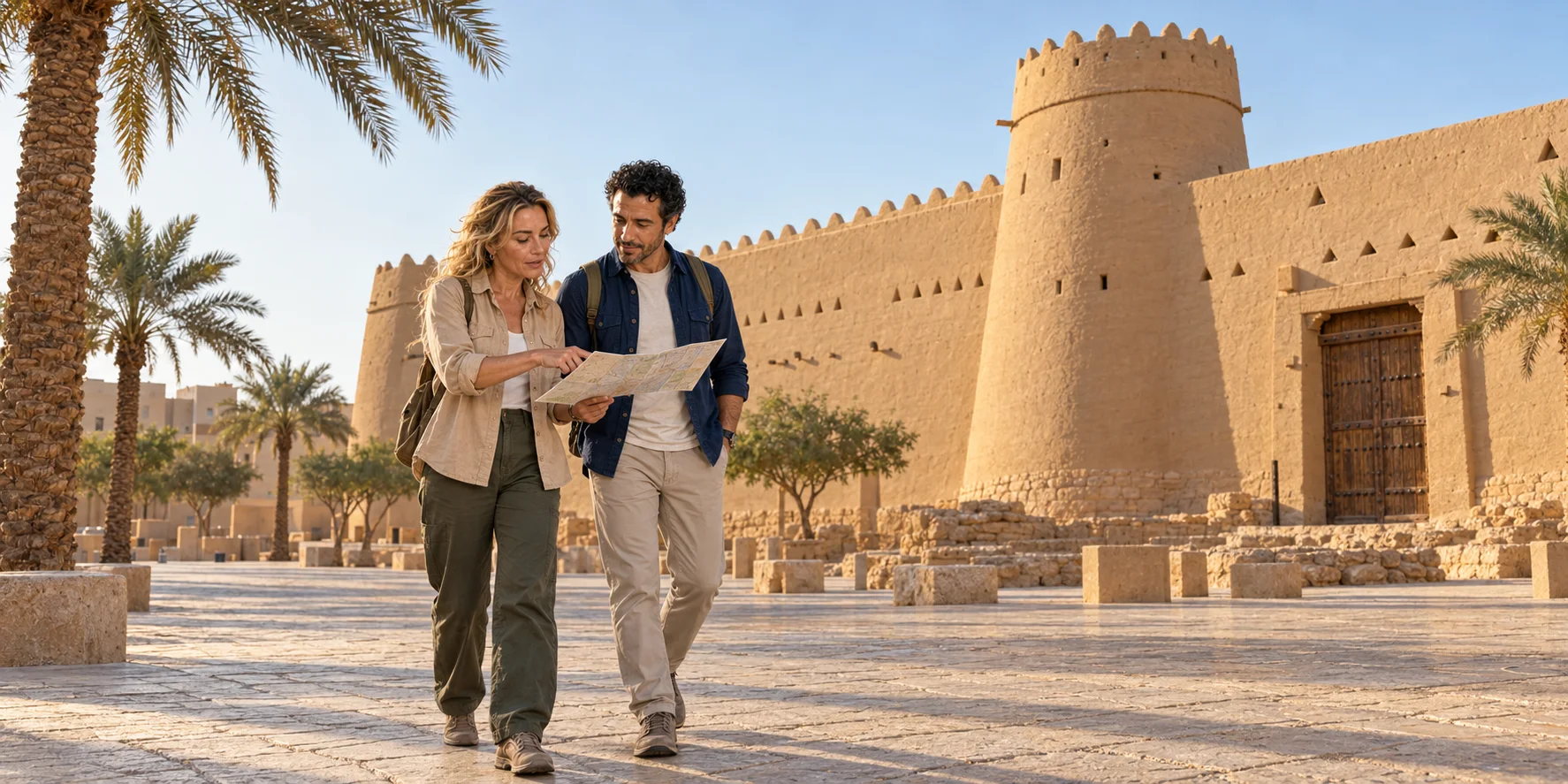
AI-generated illustration · ExcursionPass · Najdi-inspired setting
A capital before it was a skyline
Wadi Hanifa made a chain of settlement and cultivation possible in an arid limestone landscape. At-Turaif became the First Saudi capital; Riyadh became the centre of the Second Saudi State and the modern kingdom.
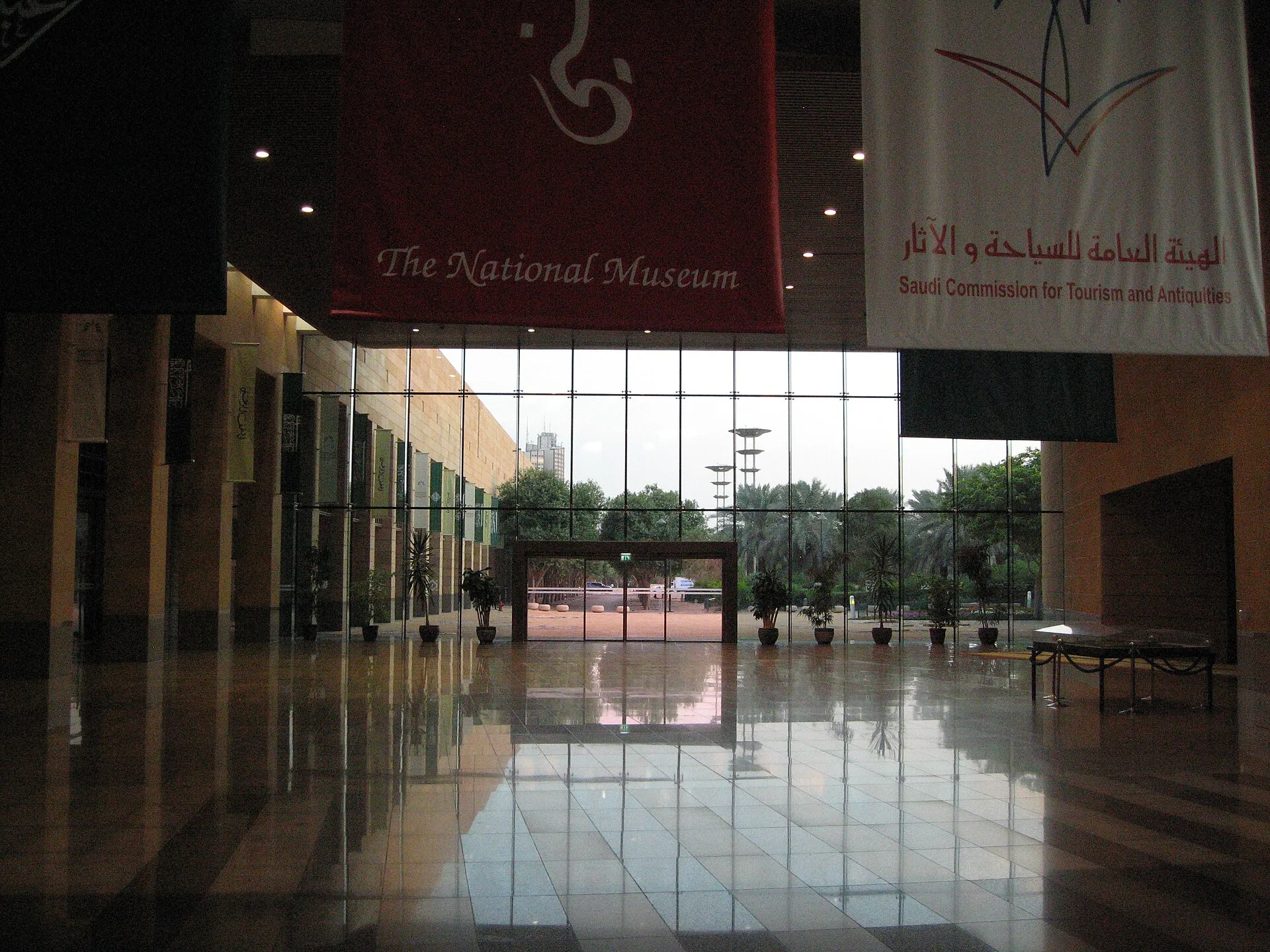
Al Masmak, Souq Al Zal, Murabba and the National Museum do not preserve one continuous old city. They are a fort, living market, restored administrative compound and modern institution, each producing a different relationship with the past.
Oil expanded what the state could build, while planning chose the grid, superblocks and roads. Metro, water systems and heritage reconstruction now revise that inheritance. The workers who build and maintain them belong inside the account.
Oasis, centre and metropolis
Follow water, state formation, material craft, curation, planning, labour and practical decisions without turning change into an inevitable progress story.
Field feature · Riyadh
What this desk follows
Read wadi, groundwater, gardens and rehabilitation before treating Riyadh as a conquest of empty desert.
Understand stone, earth, timber, palm, shade, drainage and repair as one building system.
Separate chronology, commemoration, archaeology, reconstruction and museum sequence.
Keep plans, roads, metro, water demand, labour, heat and accessible movement inside the city story.
Check the source closest to the decision
The feature contains the explanation. UNESCO and scholarship provide context; site, museum and transport authorities remain closest to current operation.
Read the complete field guide