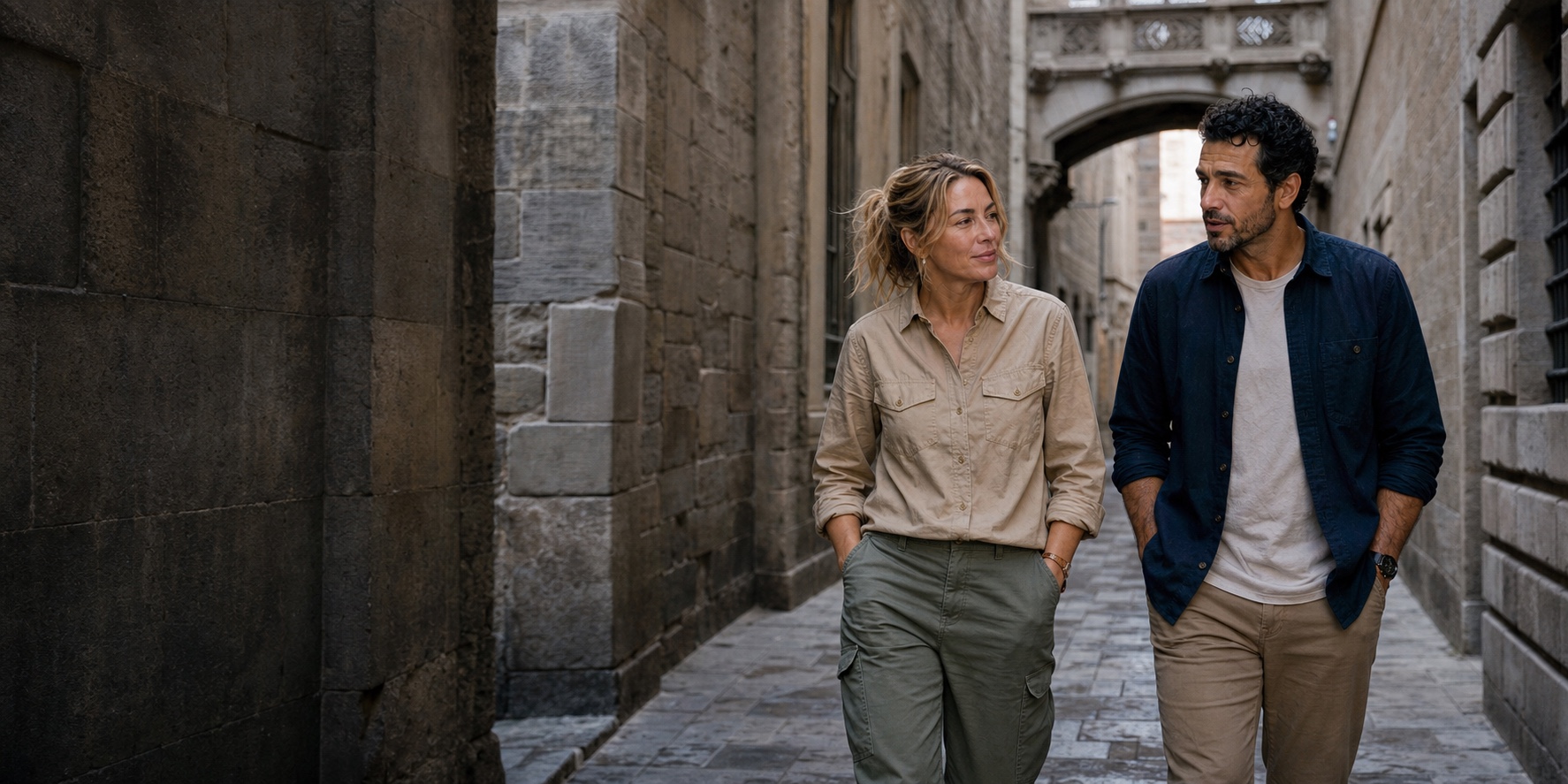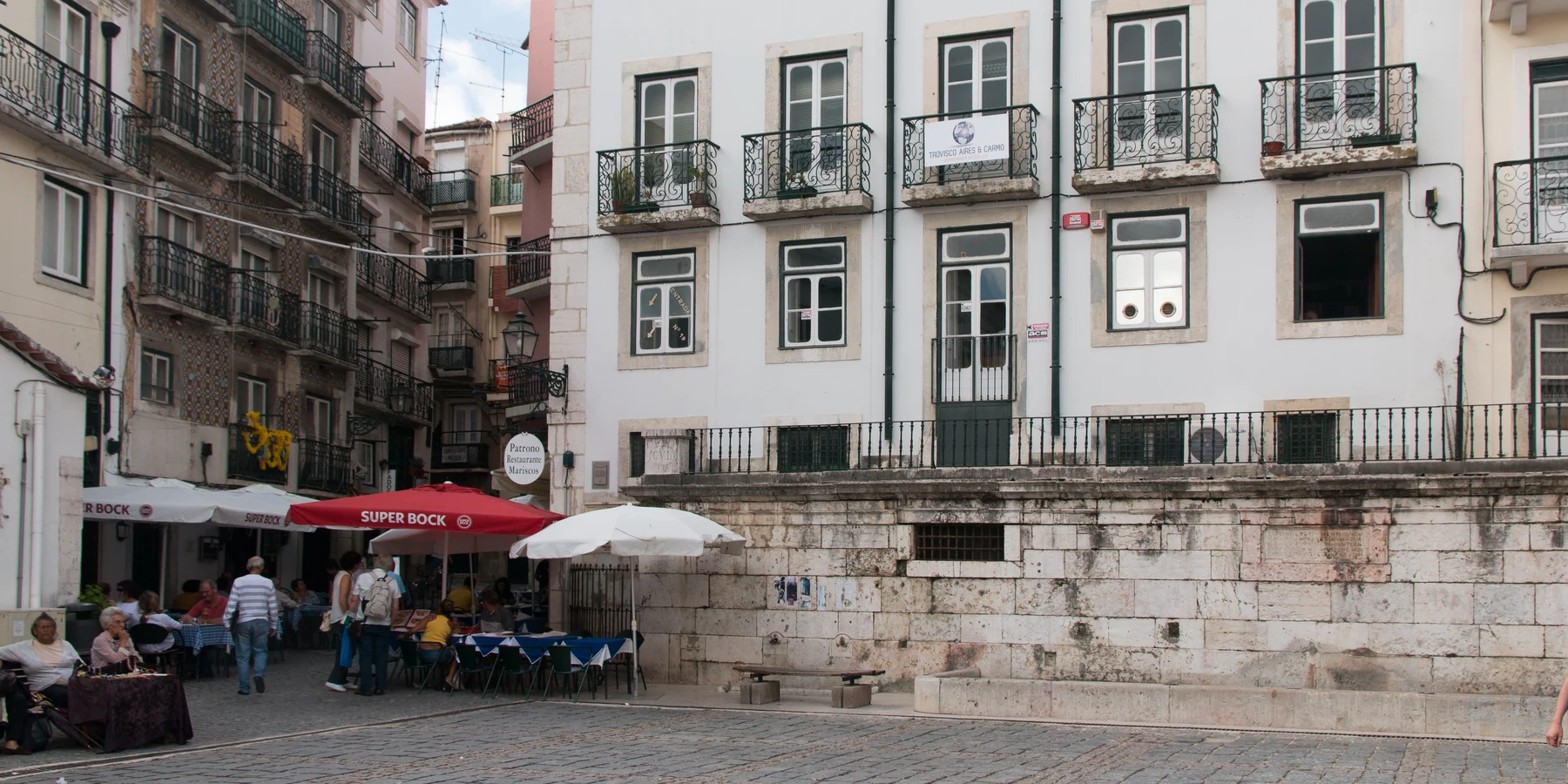
Lisbon · African histories
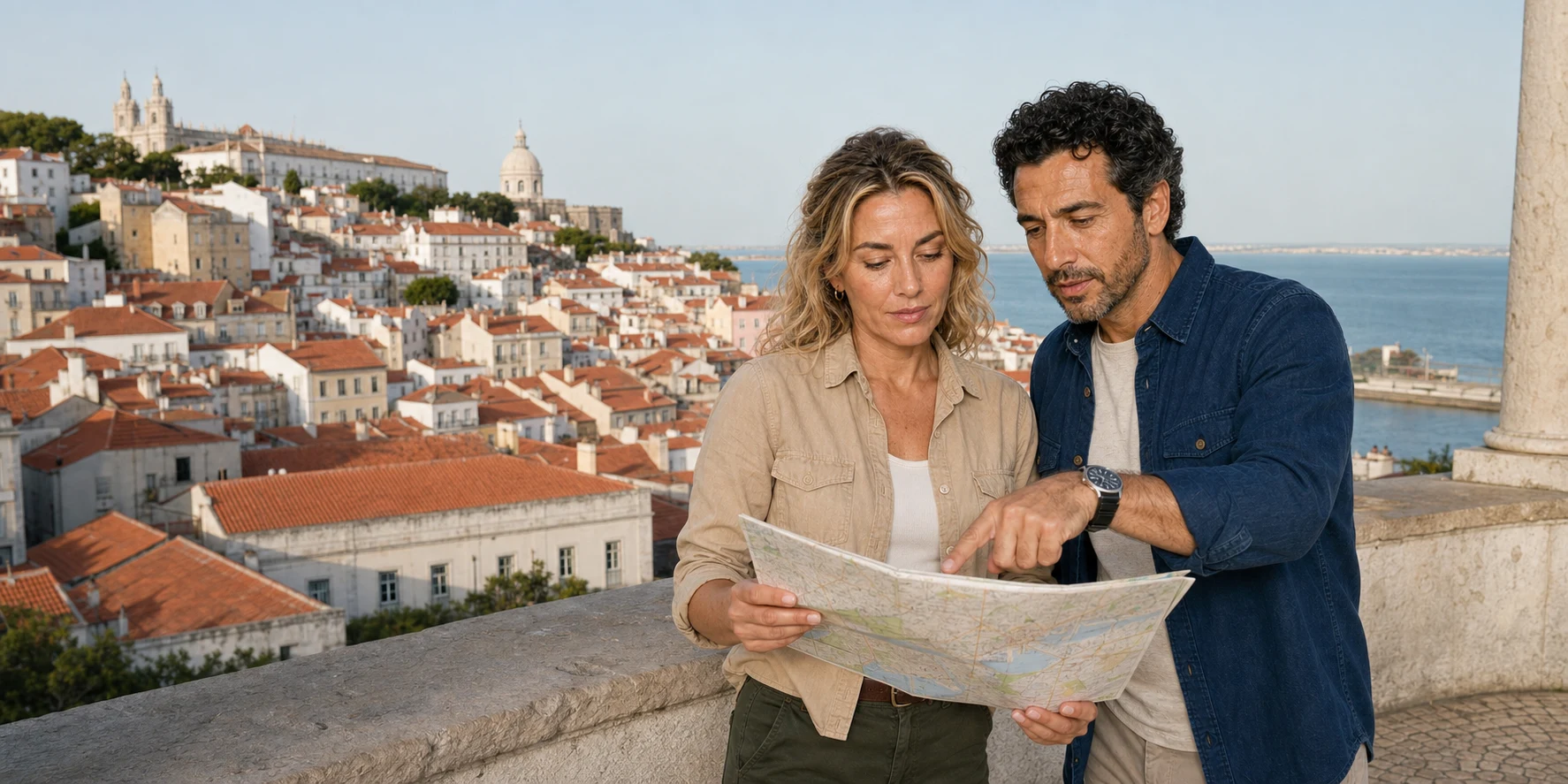
Country desk · Atlantic Europe
Follow the Atlantic coast and the cities it connects: limestone, estuaries, urban layers and the people who worked, governed and contested these landscapes.
Lisbon above Alfama · Original ExcursionPass generated visual
Read the ground before the postcard
The desk opens in Lisbon because the capital makes the method tangible. The castle hill links Iron Age exchange, Roman and Islamic settlement, medieval conquest, earthquake damage, state restoration and the pressures of a living neighbourhood.
Those layers are not arranged neatly from river to summit. Streets follow slope, plots, walls, water and later repair. A church can carry medieval fabric and modern restoration; a castle can be both archaeological ground and a twentieth-century national image.
The Algarve extends that discipline from city slope to cliff edge. Miocene beds, hanging valleys, maritime rules and beach access show how geology and authority belong inside the practical decision, not behind the postcard.
Lisbon’s lower city adds a history of African water carriers, Black confraternities and claims against slavery. Archival people and changing public memory connect a fountain to the imperial state, alongside the capital’s archaeology and the Algarve’s geological story.
Destination desks
The Algarve and Faro desk reads a retreating limestone coast; Lisbon connects urban history to the work of moving across steep, irregular ground.
Field stories
Three distinct perspectives connect limestone and water, the capital’s hill and the institutions through which African people worked, organised and argued for freedom.
Lisbon · African histories
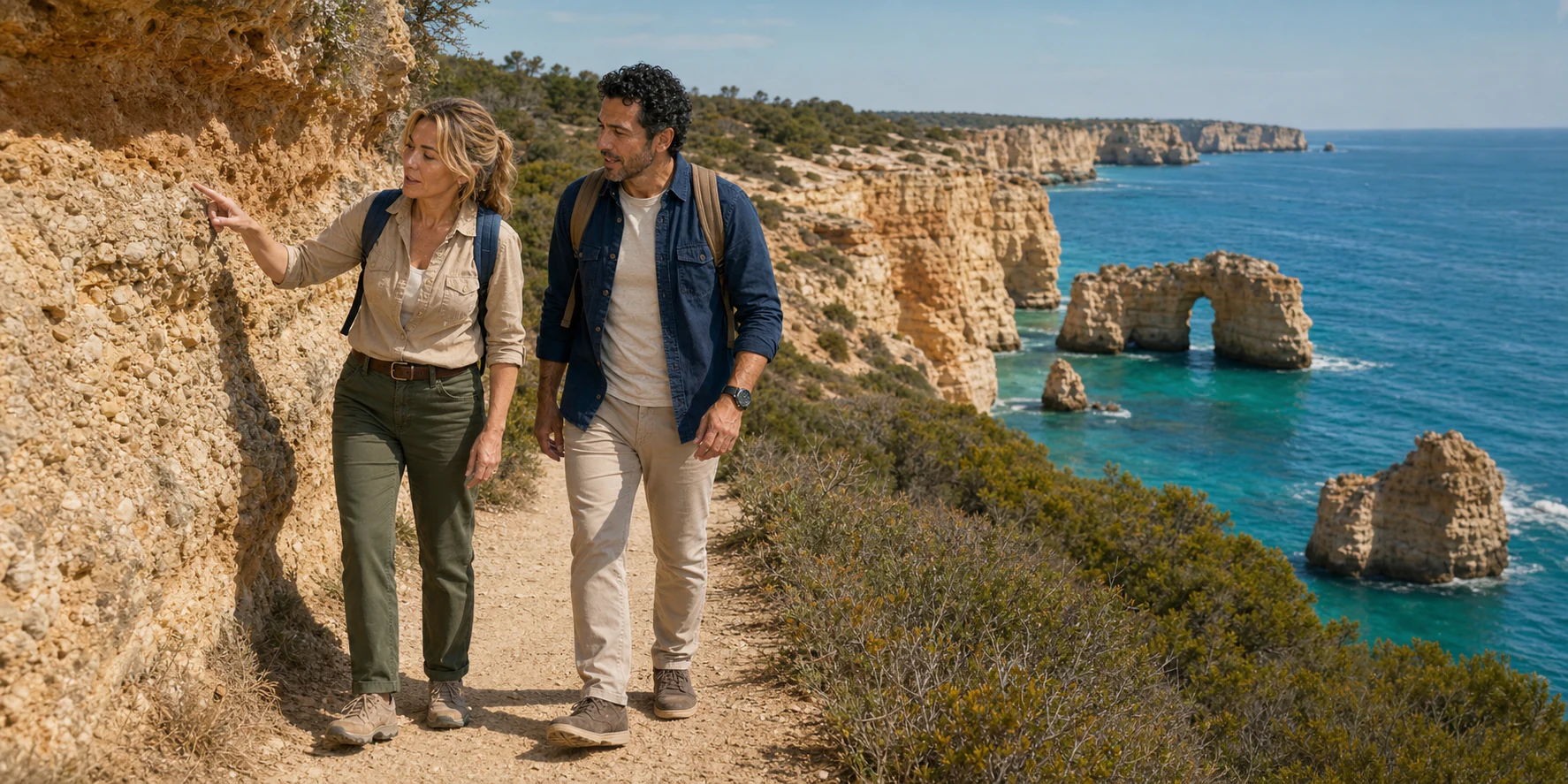
Story 50 · Algarve & Faro
Story 37 · Lisbon
What this desk follows
Read hills, estuaries, coastlines, rivers and exposure as forces that shape settlement and movement.
Keep archaeology, written records, rebuilding and restoration distinct without turning the past into a clean sequence.
Treat music, devotion, housing, work and neighbourhood conduct as practices rather than decorative atmosphere.
Connect slopes, paving, transport and monument access to the choices a traveller can actually make.